Car Appraiser Berlin Altglienicke: Appraisal Before Repair, at Your Home
Clear findings, practical recommendations
In Altglienicke you are facing the question of whether the vehicle parked at your home should be repaired or whether the damage needs further examination. A planned on-site inspection reduces uncertainty: the assessor comes to the parked car, documents its condition and the damage, evaluates available receipts and photos and identifies relevant distinctions such as previous damage, consequential damage and safety-relevant defects. Observations relating to the appointment and location are included in a written account that helps you decide between immediate repair, a second opinion or further reports. Have your vehicle registration certificate, service records, existing cost estimates and – if possible – photos from before ready. Note the mileage and the most recent repairs that are relevant. This allows the appointment to be organised efficiently; the assessor can take measurements and key photos, create clear assessment criteria and give you a practical recommendation on how to proceed. Altglienicke lies on the south-eastern edge of the city near the A113 and BER airport, and many owners here drive long distances every day. As a car appraiser in Berlin Altglienicke, we are happy to inspect your vehicle at your front door before it goes to the garage. We present our full range of services as a car appraiser for Berlin & Brandenburg on the home page.
Service area
How a structured examination makes decisions easier for you
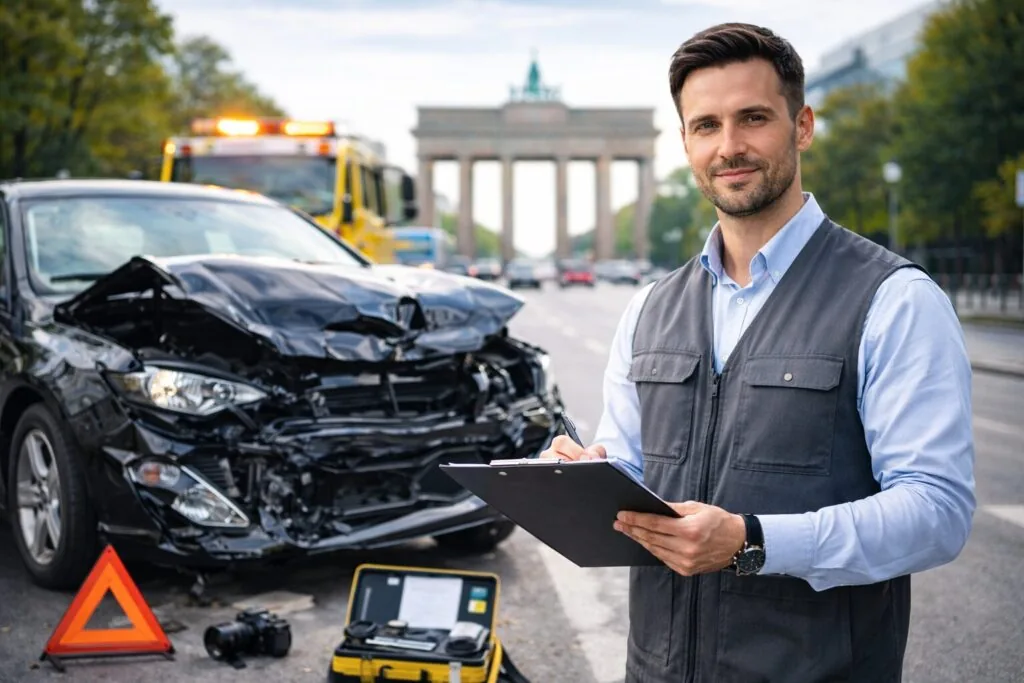
For vehicle owners in Altglienicke, a planned inspection before a repair decision is particularly useful: the vehicle is at your home, you have access to your documents and the assessor can assess the damage calmly, without pressure from a garage. Important documents are the registration certificate Part I, service and repair history, existing cost estimates and photos of the damage taken immediately after the incident. Supplement these documents with information on earlier damage and recent technical problems. Prepare the vehicle so that the affected areas are accessible and, if possible, mark the damaged spots. During the recording of findings, the assessor clearly separates new damage from previous damage, documents measurements, photo positions and visible traces and produces a traceable description of cause and effect. On this basis you receive an objective basis for decisions: an assessment of the need for repair, notes on road safety, a comparison of costs and residual value and advice on when a more detailed examination by specialists is advisable. This way you avoid premature repair orders and keep control over costs and safety.
Inspection services you can expect before choosing a garage
We concentrate on traceable findings, clear photo documentation and an assessment based on aspects of use and safety. Every service is designed to support your decision on repair or alternatives.
Visual and functional check on the parked vehicle
On site, the assessor checks visible body damage, the position of panel gaps, cracks in plastic parts and obvious functional failures such as lighting, window regulators or locks. The check also includes simple function tests, as far as possible on the parked vehicle: battery condition, tyre pressure, lights and fluid levels. Important observations are photographed promptly and given clear captions. This makes it possible to reconstruct exactly later which findings are new and which existed before, without vehicle parts being dismantled unnecessarily. This differentiated presentation is particularly helpful if you want to compare several quotes or inform the insurer of an independent assessment.
Structured photo documentation and measurements
The photos are taken according to a uniform scheme: wide-angle views for an overall overview, detailed shots of the damaged areas, macro shots of crack or fracture edges and measurement references for panel gaps. The assessor describes perspectives and distances as well as the time and weather, so that the images can be interpreted unambiguously later. If necessary, simple measurements such as gap width or paint thickness are taken using calibrated methods. This documentation enables you to check the statements, compare cost estimates and recognise possible changes to the vehicle’s condition before a garage has intervened.
Assessment of repair effort and value retention
The findings, photos and documents result in a realistic estimate of the expected repair effort and the remaining value after the work is done. The assessor specifies which work is essential, which measures remain optional and which interventions are safety-relevant. For older vehicles, we also check whether repair makes economic sense or whether the residual value puts this into perspective. The assessment includes advice on alternative approaches such as partial repair, restoration or postponing the repair in favour of further technical clarification. The aim is a basis you can follow for negotiations with garages or insurers.
Characterising the accident and distinguishing damage
The assessor analyses whether visible damage is connected with a specific incident or whether there is previous damage. To do this, fracture patterns, paint changes and traces of deformation are assessed. The analysis helps to narrow down responsibilities and decide which points require a more in-depth technical examination. This classification is important when repair orders are placed or insurance questions need to be clarified, without carrying out premature work.
Why an independent finding before repair safeguards decisions
A well-founded on-site inspection protects you in Altglienicke from unplanned costs and unclear repair consequences. If the vehicle stays at your home, its condition can be recorded calmly and without pressure from a garage. The assessor systematically separates fresh damage from historical defects, documents safety-relevant findings and gives a realistic assessment of the scope and urgency of the necessary work. On this basis you can compare cost estimates better and avoid unnecessary repair orders. In addition, the risk of traces being lost through premature intervention, or of settlement with third parties becoming more difficult, is reduced. A verified report supports discussions with garages and insurers alike, because it provides reliable facts and shows traceably which measures are absolutely necessary and which can be postponed.
A clear basis for decisions
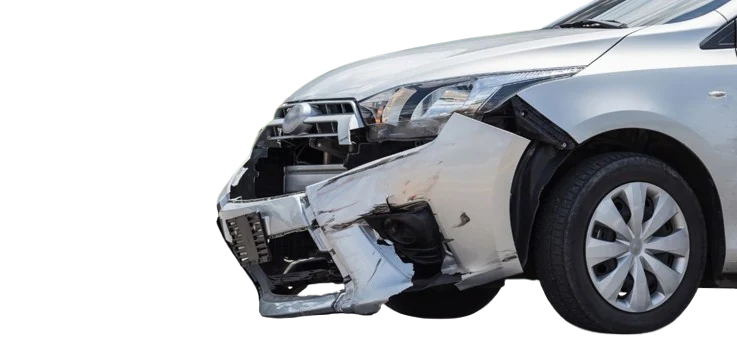
You receive traceable documentation that clearly separates the condition of the vehicle from the measures required.
Control over costs
By assessing the scope and urgency of the repair, you can compare quotes properly and avoid unnecessary work being carried out on a vehicle that has not been inspected.
Safety for continued use
The inspection clearly identifies safety-relevant defects and prioritises the necessary repairs so that the vehicle remains roadworthy or can be used safely until it is repaired.
Altglienicke: separating findings and repair method
Photo and measurement records are prepared so that they serve as a reference later on: for garages, insurers or for subsequent inspections.
Times when a planned examination makes sense
An inspection of the parked vehicle is advisable immediately after a damage incident, before a garage is commissioned, but also if there is uncertainty about previous damage. In Altglienicke an appointment is particularly worthwhile if you want to obtain several cost estimates or if there are safety concerns about an immediate repair or continuing to drive. An inspection also makes sense if insurers see discrepancies regarding the cause of the damage or if unclear consequential damage is feared. Even with visually minor damage, a structured examination can point to hidden problems. Schedule the inspection before any components are removed: this preserves traces and the documentation shows the original condition without changes made by a garage.
Independent recording of findings
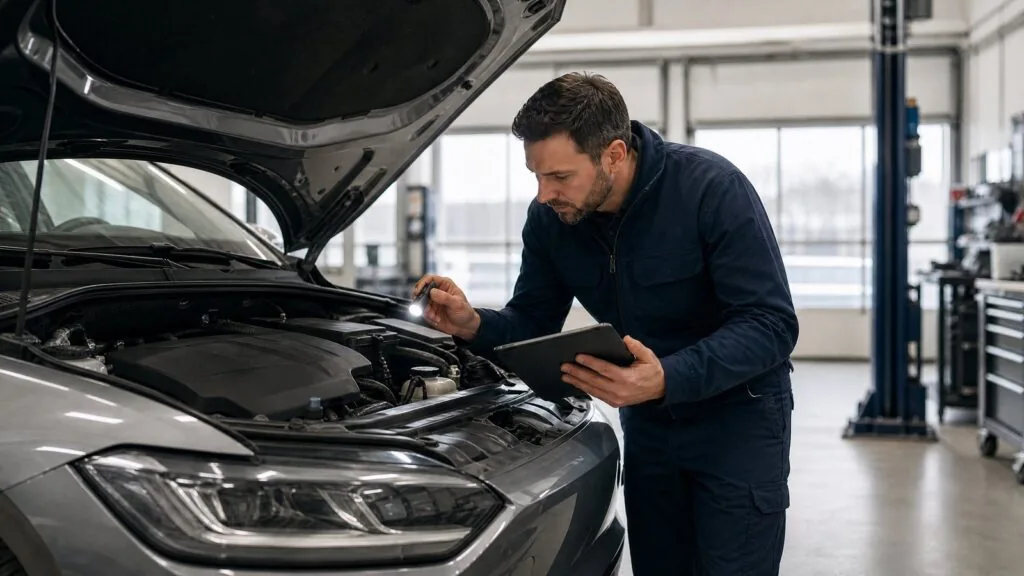
We work without ties to any garage, so that the determination of the cause and extent of the damage remains objective. The sole aim is a sound basis for your decision.
Timely on-site documentation
The appointment is based on your needs; the vehicle stays at your home. The documentation is designed so that it can be interpreted later without additional effort.
Our approach in brief: the principles behind the process
Traceable assessment
Our assessments include reasons: which measurements, photos or documents led to the assessment and which next steps are recommended.
Altglienicke: creating a reliable starting point
In addition to the assessment itself, we give specific advice on how to proceed with cost estimates, garage quotes and insurers.
How an appointment with your car appraiser in Berlin Altglienicke works
The inspection follows a structured process so that statements are clear, reliable and useful to you.
Preparation and compiling documents
Before the appointment, we ask you to provide registration documents, the service booklet, existing cost estimates and, if possible, earlier photos. Note any relevant history of the vehicle, such as earlier accidents or major repairs. These documents serve as a frame of reference for later distinguishing between new and previous damage.
Appointment location: inspection of the parked car
At the appointment, a structured visual inspection and photo documentation of the parked vehicle are carried out. The assessor marks conspicuous areas, takes photos from defined perspectives and simple measurements and tests visible functions as far as possible. All findings are annotated so that the documentation can be interpreted unambiguously later.
Technical classification and assessment
The findings are then classified technically: which components are affected, how high is the estimated effort, which work is safety-relevant? If necessary, we recommend sending certain components to a specialist garage for a more in-depth examination.
Description of results and handover
You receive a written report with photographs, measurement data and a clear assessment of the necessary steps. The documents are prepared so that you can use them directly for cost estimates, coordination with insurers or discussions with garages. On request, we will explain the most important points verbally.
FAQ – Frequently Asked Questions
The following questions will help you to organise the preparation and the process sensibly. Each answer gives specific advice on which documents and observations are particularly relevant.
Which documents should you definitely bring?
Bring the registration certificate Part I, any service records, invoices for earlier repairs and current cost estimates. If available, include photos of the vehicle’s condition before the incident. These documents make it easier to distinguish between historical damage and new findings and allow a more precise assessment of the technical condition.
Which observations on site are particularly helpful for the assessor?
Let us know whether the vehicle recently made unusual noises, lost power, showed unusual behaviour when jacked up or tilted, or whether repairs were carried out shortly beforehand. Information about how the accident happened, the parking position at the time of the damage and changes in running behaviour provides context that significantly improves the interpretation of the visible damage.
How should photos be taken before the appointment?
Take pictures from several angles: overall views from the front, rear and both sides as well as close-ups of the damaged areas. Make sure the lighting is good and hold a recognisable object or ruler in the close-up so that the size and position of the damage can be reliably estimated later. Time stamps also help with the documentation.
What happens if the vehicle already has previous damage?
Disclose existing previous damage openly. The assessor documents the current findings and separates newly caused damage from earlier damage. This distinction is important for allocating costs and for a proper assessment of whether a repair is economical or only makes sense in certain areas.
How is the current repair status taken into account if parts have already been removed?
If parts have already been removed, state which work was carried out and when. The assessor evaluates the remaining traces and can only make assessments of missing components on the basis of visible clues. If necessary, we recommend having certain components professionally inspected for further clarification.
How is the safety of continuing to drive assessed?
The assessor clearly states which defects affect operational safety and which do not. Safety-relevant defects are given priority; where necessary, we advise against continuing to drive or recommend it only under clear conditions. This recommendation is based on visible damage and a plausible assessment of technical risks.
What should you prepare before the agreed appointment?
Have documents such as the registration certificate and invoices ready, photograph the vehicle from different perspectives and note relevant events or observations. Make sure that the affected areas are accessible so that the inspection can be carried out quickly and completely.
Prepare for the appointment in a targeted way
If you would like a planned inspection in Altglienicke, you benefit from structured preparation: collect registration documents, service receipts and existing photos, note relevant observations and choose an appointment when the vehicle is easily accessible. Clear preparation shortens the inspection time on site and increases the evidential value of the report. This gives you a reliable basis for your repair decision quickly and allows you to pursue quotes or insurance matters efficiently. Request an appointment and briefly describe the circumstances of the damage and which documents you already have. We prepare the inspection parameters, come to the parked vehicle, document transparently and deliver the results in a usable form. We are also active in neighbouring districts such as Adlershof and Köpenick.