Car Appraiser Berlin Buckow – Documenting Damage Early, Before Work Begins
Damage recording that secures information before repairs begin
When a vehicle in Buckow is affected, the first documentation often determines the quality of later decisions. We concentrate on recording damage immediately and comprehensively so that no relevant evidence is missing when the vehicle is subsequently repaired. This includes structured photographs from several perspectives, measurement data on panel gaps and deformations, vehicle data from the registration certificate and information on previous use. Original invoices and historical defect reports, where available, are also important. Our approach protects against loss of information through early intervention and helps you present clear facts to insurers, garages or prospective buyers. In Buckow we work promptly, with a focus on documentation and in a traceable way, so that your basis for decisions remains reliable. We are also active in neighbouring districts such as Neukölln and Tempelhof. Between Gropiusstadt and the residential streets of Buckow, many cars are parked in narrow streets and supermarket car parks, where knocks are common. As a car appraiser in Berlin Buckow, we record such damage promptly. You can read more about what we offer as a car appraiser in Berlin and Brandenburg on the home page.
District: Buckow

Early recording: your advantage for later decisions
An early, structured inspection prevents important evidence from being overlooked during repair or sale. In Buckow we often notice that after initial work, traces can no longer be clearly attributed. That is why we record relevant parameters before any repair: body and bodywork positions, existing paint conditions, crack patterns and the location of component distortions. The chassis number, mileage, available service records and indications of earlier garage work are also documented. Photos are taken systematically with focal length and distance references; we also note the condition of materials and possible consequential damage. Such surveys create a useful basis for cost estimates, restoration schedules and the assessment of restrictions of use. For you, this means sound foundations without speculation, traceable findings and a clear presentation to third parties.
Specific recording areas in practice
Early documentation covers several areas in which we specifically identify which information might be missing later. Our reports follow fixed survey standards so that no relevant details are overlooked.
Comprehensive damage recording
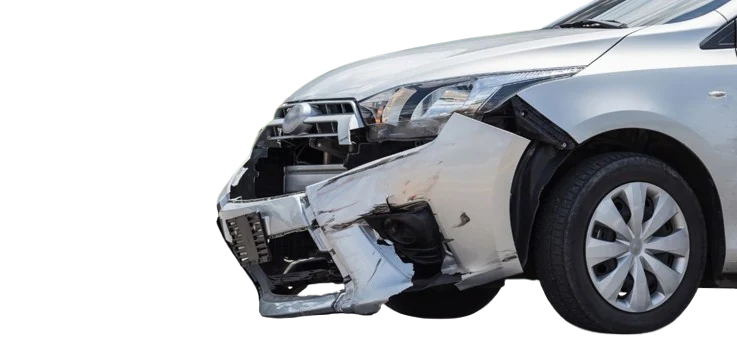
We record visible damage to the bodywork, headlights, windows and chassis, document deformations and check mounting points. Each photograph is given a description of its location and a scale, so that changes before and after repair are clearly recognisable. We also note paint anomalies such as overpainting, colour deviations or scratches that may indicate earlier work. This documentation is important to distinguish causes and avoid later doubts. It serves as a neutral basis for calculating costs, distinguishing third-party damage and for disputes with garages or insurers.
Technical findings and measurement data
In addition to the visual inspection, we carry out precise measurements on the chassis, frame and wheel suspension. Using suitable measuring systems and test instruments, we determine values for wheel alignment, suspension condition and axle geometry. Electrical fault sources, airbag sensors and control units are provisionally checked as far as a visual inspection allows. These technical findings allow a clear assessment of roadworthiness before repair and help in assessing possible consequential damage. Technical measurements are indispensable when restoration effort or restrictions of use are discussed later.
Assessment of residual value and restoration
We analyse the impact of the damage on resale value and restoration effort by weighing up parts costs, labour times and possible follow-up costs. In doing so, we take into account existing previous damage, the availability of spare part variants and special equipment features. In the documentation, we clearly separate the immediate damage from the pre-existing condition so that later invoices or purchase decisions are based on clear findings. This value analysis helps you weigh up repair, partial repair or a total loss claim. You can also find information about our prices on our website.
Photo record with reference points
For reliable comparability, we take photos with defined reference points – such as the wheel centre, door edge or headlight axis. In addition, shots with dimensions and distance markers are taken so that later viewers can follow lines of change and deformations exactly. This series of images also includes sequences of the interior, the vehicle identification and relevant findings such as crack edges or material breakage. A complete photo record reduces room for interpretation and strengthens your position in disputes.
Why early recording prevents damage
Early recording prevents loss of information: once bodywork or paintwork has been carried out, the original condition and the mechanics of the damage often can no longer be reconstructed beyond doubt. In Buckow we regularly see that missing initial documentation leads to uncertainty about liability and cost estimates. Immediate recording of findings also secures material samples, panel gaps and assembly conditions that can later serve as evidence. In addition, a complete survey reduces the risk that a repair will require additional measures that were not originally apparent. In short: early, systematic documentation protects the basis of your claims and creates a reliable basis for decisions on how to proceed with the vehicle.
A reliable basis for decisions
By recording all relevant findings completely, you get a clear basis for repair decisions, cost comparisons and possible sales.
Avoiding loss of information
Early documentation ensures that traces, material fractures and the positions of damage are preserved.
Buckow: clearly recording the technical situation
With systematically collected data, you can make clearer claims to garages, buyers or insurers.
Traceability over time
Our records contain time stamps and traceable sequences so that processes can later be proven chronologically.
When you should act immediately
As soon as your vehicle is affected by an accident, vandalism or a technical failure, prompt action is required. In Buckow it is advisable to have visible damage, noises or changes in driving behaviour documented before repairs begin. Cases with exposed structural parts, deployed restraint systems or fluid leaks are particularly critical, as consequential damage can quickly occur here. If there are mechanical deformations, there is a high probability that comparative values will be missing later without early measurement. A quick inspection therefore makes sense in order to classify the extent of the damage reliably and avoid unnecessary expenditure.

Preserving relevant traces
We secure evidence before repair work changes the situation. This applies to paint, fracture edges and assembly conditions that could otherwise no longer be clearly attributed.
Clear separation of old and new damage
Early recording enables a clean distinction between existing defects and new damage. This reduces points of dispute when the claim is settled.
Why we act early: the goals of our prompt inspection
Planning certainty for repairs and costs
With complete data, the restoration effort can be estimated more realistically. This helps when choosing economical repair options.
Buckow: assessing the findings in detail
Early checks show whether the vehicle is still roadworthy before it is driven further or whether it needs to be taken off the road.
How your car appraiser in Berlin Buckow records damage early
Our approach consists of clear steps so that no information is lost. Each stage has a documented purpose and a defined result.
Contact and clarification of documents
In the first step, we clarify by phone or message which papers are available: registration certificate, service records, photos of the damage and earlier invoices. This preliminary information reduces the effort on site and allows us to bring the right measuring equipment.
Visual recording with references
During the visual inspection, we produce structured photo documentation, supplemented by descriptions of location and dimensions. Particular attention is paid to crack edges, voids and overlaps so that later work does not distort the determination of the cause.
Technical measurement and inspection record
We then carry out specific measurements: panel gaps, axle geometry, suspension travel and relevant electrical components are checked. The values obtained are entered in the record and form the basis for assessing roadworthiness.
Buckow: clearly stating the repair requirement
The report summarises findings, photo series, measurement data and an initial assessment. You receive a traceable document with recommendations on how to proceed and a list of the relevant documents for third parties.
FAQ – Frequently Asked Questions
Below we answer typical questions so that you are well prepared for the inspection. The answers focus on gathering information, documentation and technical classification.
Which papers and receipts should you bring to the appointment?
If available, bring the registration certificate Parts I and II, service booklets, invoices for earlier repairs and a copy of the keeper’s driving licence. Old photos of the vehicle before the damage are also very useful, as they show reference conditions. For leasing or finance agreements, additional documents may be important. All these documents help to clarify previous conditions, identify equipment variants and check the vehicle’s history, which speeds up the clarification of the facts considerably.
How precisely do you record visible damage?
The visual recording is systematic: we photograph all affected areas from several angles and with dimension or distance references. We also record the position of the damage in relation to fixed component references as well as characteristics such as crack patterns, scratch marks or material embrittlement. Such details are essential for the later assessment of the cause and for a clean separation of old and new damage.
How many photos, and which ones, are needed for meaningful documentation?
Reliable photo documentation comprises a series of overview shots and detail photos: at least four overall shots of the vehicle, close-ups of the damaged areas from different angles and detailed images with a scale. Additional images of the chassis number, the interior and affected electrical components increase the evidential value. The clearer the perspectives and the more traceable the reference points, the lower the risk of misinterpretation.
How do you deal with existing previous damage?
Existing previous damage is systematically recorded and documented separately from new damage in the report. We check signs of ageing, the development of corrosion and repair marks in order to make a plausible distinction. This differentiation is important so that later invoices or liability issues are based on a solid factual basis and are not complicated by older defects being mixed in.
Which information about the repair status is relevant?
It is important to know whether components have already been removed, temporarily fixed or provisionally repaired. Let us know whether tools, third-party parts or interim solutions have been fitted. Such information helps to assess which original traces are still present and which areas should be given particular priority for measurements and photography.
How is the scope of the assessment for costs and restoration determined?
The scope results from the combination of visible damage, measured deformations and known parts and labour costs. We separate directly visible defects from possible consequential damage and assess the availability and interchangeability of parts. This results in an initial cost estimate that can serve as the basis for garage quotes or comparative calculations.
When can the vehicle still be used safely, and when not?
Whether it is safe to continue driving depends on braking behaviour, steerability, lighting and restraint systems. We check visible damage to safety-relevant components and assess whether there are any acute hazards. If deeper frame deformation or defective restraint systems are suspected, we advise against further driving until the matter has been clarified, in order to avoid the risk of accidents.
The next sensible step in Buckow
If you need a reliable basis for decisions, calling in an assessor early is the right way to go. We help you secure findings completely and traceably before repair work begins. This avoids loss of information, creates transparency towards third parties and gives you a clear recommendation on how to proceed. Contact us with a short description of the damage and the documents you have; we will then agree the next steps with you and explain the documents required and the straightforward survey process. In Buckow, this gives you a traceable basis for the next technical steps on your vehicle.