
Car Appraiser Berlin Mahlsdorf — A Clean Damage Chronology for Your Vehicle
Clear documentation, understandable findings, user-oriented results
When an accident, parking damage or a technical problem occurs, a complete damage chronology is what counts. In Mahlsdorf, as in the neighbouring districts of Kaulsdorf and Hellersdorf, it is important that every observation is placed in time and recorded objectively, so that later decisions on repair, sale or insurance remain transparent. We describe step by step which traces on the vehicle are relevant for the documentation: visible deformations, colour differences, cracks, loose components and measurable distances on the running gear and bodywork. Photos from several angles and short notes on the driving characteristics immediately after the incident are just as important. This chronology not only serves as evidence but also helps you to answer follow-up questions in a targeted way: was the vehicle roadworthy? Were airbags deployed? Was there any previous damage? Our aim is a comprehensible, dated sequence of findings that you can use with confidence when it comes to repair decisions, loss in value or communication with third parties. Content is documented in such a way that you can later see exactly which observation was made when and which documents go with it. Mahlsdorf forms the eastern edge of Berlin and borders Hoppegarten, and many owners commute along the B1/B5. As a car appraiser in Berlin Mahlsdorf and vehicle assessor for the residential areas in the east, we come to your property. The home page shows what we stand for as a car appraiser for Berlin & Brandenburg.
For Mahlsdorf

Why a chronological record on site is useful
A proper damage chronology begins with clear observations of the condition immediately after the incident. In Mahlsdorf, what matters above all is which damage appears fresh and which could already have been old. You should have ready: the vehicle registration certificate, the service book with stamps, earlier reports or garage receipts, photos of the previous condition if available, and a short note sheet with the mileage and time. During the inspection, visible fracture edges, paint transitions, panel gaps and deformed structural parts are documented; we also record technical displays such as airbag status or error messages. Photos are systematically numbered and dated; close-ups, panoramic shots and detailed shots complement each other. It is important to distinguish between primary accident traces and secondary consequential damage, for example corrosion on exposed metal edges or the beginnings of rust that was not caused by the incident. The recording ends with a chronologically ordered list of damage with priority information: immediately safety-relevant, to be remedied in the short to medium term, cosmetic. This structure supports you in subsequent decisions on the scope of repair, cost estimates and, if applicable, the sale of the vehicle.
What we record in practice
Every recording is carried out chronologically: from the first external traces to the technical displays, from the visual inspection to measurable distances. The result is comprehensible, dated damage documentation.
Detailed photo documentation with location references
The photo documentation always includes several perspectives: overview shots showing the position of the vehicle, a medium-distance view of affected components and macro shots of the damage structure. In addition, pictures of the vehicle identification number, the mileage and relevant instruments are taken. With paint damage we look for colour transitions, sanding marks or overpainting; with deformations, the direction of the force and possible starting points for repairs are described. Each picture is given a date, time and a short explanation so that it can later be clearly traced which observation was made at what time. This structure helps to identify later deviations from a documented condition and reduces uncertainty when comparing with garage invoices or follow-up reports.
Technical check and information on roadworthiness
In addition to recording external findings, we check basic technical features: tyre condition and tread depths, wheel alignment on visible running gear parts, oil and coolant levels and obvious leaks. Electronic fault messages are recorded and, where possible, photographed. An assessment of roadworthiness is made separately from repair recommendations: we assess whether the vehicle can be moved without danger or whether it needs to be towed. This assessment is dated and forms the basis for how urgently action is needed and what consequential damage could occur without interim storage.
Bringing together and documenting the damage history
We collect existing papers such as the service book, earlier reports, repair invoices and photographic records of previous findings and arrange them chronologically in relation to the current recording. Old repairs, previous damage that has not been repaired and differences in the paintwork are noted separately so that every new impairment can be clearly distinguished. On the basis of this combined information, a consolidated chronology is created that covers both cosmetic aspects and structural abnormalities. Bringing everything together makes later decisions on repair, valuation or resale easier, because it is clear what already existed at the time of the inspection.
Cost estimate and priority list
After recording the findings, we prepare an initial assessment of possible repair costs and rank the damage according to urgency. We distinguish between safety-relevant work, visible repairs and purely cosmetic repairs. The cost estimate is to be understood as a guide value; it contains information on where a quote from a specialist garage makes sense and where a conservative solution better protects the value of the vehicle. This prioritised list helps you to plan the next steps strategically and make decisions regarding costs, time and value retention.
Why the chronological order is decisive
An order that reflects how the damage developed makes it easier to assign cause and effect. In Mahlsdorf, as elsewhere, there are often several influences on a vehicle – older repairs, environmental influences or new collisions. If findings are not placed in time, misunderstandings arise with garages or in communication with third parties. A dated damage chronology reduces such ambiguities: it separates fresh fractures from defects that have already aged and documents which measures were taken immediately after the incident. This allows a better assessment of possible consequential damage, prevents duplicate repairs and simplifies renegotiations, because every observation is traceably documented. A clear order also creates trust: you show third parties that the condition of the vehicle has been recorded systematically rather than speculatively.
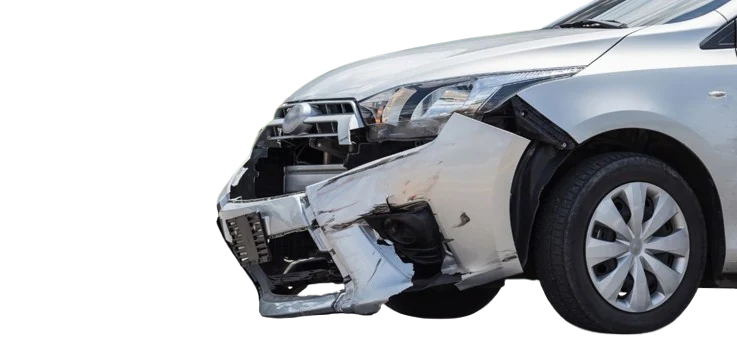
Comprehensible chain of evidence
The chronologically ordered documentation creates a complete chain of evidence.
Targeted priorities for repairs
Classification by urgency shows you at a glance which defects are relevant to safety and which have a cosmetic effect.
A better basis for questions of value
A structured damage chronology is helpful for valuations or sales: buyers and appraisers receive a clear overview of the origin and extent of damage.
Protection against later ambiguity
If damage appears later, the existing chronology makes it possible to check whether it is a consequence of an earlier incident or has arisen anew.
When a chronology of findings is particularly important
There are clear situations in which a systematic damage chronology is indispensable: directly after a road accident, after vandalism, in the event of noticeable malfunctions or if there are doubts about the condition when selling. In Mahlsdorf such a recording is also advisable if the course of a repair is to be documented – for example before and after bodywork or after the replacement of structural components. A chronology is also useful if there are doubts about the origin of a scratch or dent; dated photos and written observations make it possible to narrow down the period in which the damage was caused. For commuters who use their vehicle every day, quick dating is worthwhile so that consequential damage does not go unnoticed. Recording shortly after the incident ensures that temporary traces such as fluid residues or fresh scratch marks are not lost and cannot later be wrongly classified as old.

Precision in observations
Make sure that findings are not only described but also supported by dimensions, reference points and series of photos. Precise information on the position and extent of damage is crucial so that there is no room for interpretation later.
Documentation of existing records
A sensible appraiser asks for earlier repair invoices and service records and relates them to the current findings. This allows a clear separation of old and new damage and avoids duplication.
Arguments for a structured recording of findings: what to look for when choosing an appraiser
Transparent assessments instead of blanket statements
Choose an assessment that labels its estimates by urgency and uncertainty. Realistic statements about necessary follow-up checks and garage quotes are more helpful than vague promises.
Mahlsdorf: classifying vehicle details precisely
The final documentation should be structured so that you and third parties can follow the findings chronologically. A clear structure makes later steps easier and avoids queries.
How your car appraiser in Berlin Mahlsdorf builds your damage chronology
The recording follows a logical sequence: first the visual inspection, then the technology, and finally bringing together all documents and dated grading by urgency.
Initial securing and overview
First the danger area is secured and an overall picture of the vehicle is created. Overview shots and notes on the surroundings are important so that it remains clear later in which context the damage occurred.
Detailed individual findings
This is followed by a systematic review of each affected area: bodywork, running gear, electrics and interior. Every detail is photographed and given a short description of its location to make later assignment easier.
Bringing together existing documents
In the next step, the service book, earlier reports and invoices are compared chronologically with the current findings in order to clearly identify previous damage. These documents are referenced and embedded in the chronology.
Prioritisation and list of results
Finally, a dated list is drawn up with recommendations on urgency, an initial cost estimate and specific information on which specialist checks or garage quotes make sense. This list is the basis for your next decisions.
FAQ – Frequently Asked Questions
Answers to typical questions that concern vehicle owners before, during and after the inspection. Specific advice on documents, photos and safety of use.
Which documents should I have ready for the inspection?
If possible, bring the vehicle registration certificate, service book, earlier repair invoices and any existing reports. Photographs of the condition before the incident are very valuable. If you have an accident report or contact details of witnesses, provide this information as well. Also note the mileage, date and time of the incident and a brief description of what happened. This information makes it easier to place damage in time and helps to separate previous and new damage.
How detailed do the photos need to be and which subjects are important?
Take overview shots of the overall position of the vehicle, medium-distance photos of the affected areas and macro shots of fracture edges, paint transitions and damage structures. Also photograph the mileage, the vehicle identification number (VIN) and any error messages in the cockpit. Make sure there is good lighting and avoid strong reflections. Briefly number or label the pictures so that they can later be clearly assigned to a finding.
How can I clearly distinguish previous damage from new damage?
Existing documents such as earlier reports or invoices are the best help in identifying previous damage. In addition, the structure of the damage provides clues: fresh cracks, sharp fracture edges and clean paint chips often indicate new impacts, while flattened edges or visible signs of corrosion point to older impairments. Dated photographic evidence of the current situation is crucial for making a chronological distinction.
What is looked at when checking whether the vehicle is fit to drive?
The assessment of roadworthiness includes a look at the running gear, tyres and steering as well as fluid leaks and visible deformations of load-bearing parts. Electronic warnings are recorded. The assessment of whether the vehicle can be moved safely is documented and justified separately; if the vehicle is no longer roadworthy, we recommend specific measures such as towing or immediate repair. This assessment is dated and takes possible subsequent hazards into account.
How is the result delivered and what does it contain?
You receive dated documentation with a photographic sequence, a detailed description of the damage and a prioritised overview of recommendations. Existing documents are referenced and incorporated into the chronology. There is also initial guidance on the cost estimate and information on which specialist checks make sense. The documentation is provided in writing so that you can use it for garages, insurers or a sale.
Which photos are particularly helpful if I want to sell later?
For a sale, the combination of overview shots and detailed close-ups is important: show the whole vehicle, all affected areas and the mileage. Also document service records and invoices as image copies. A chronologically ordered series of photos that proves the before and after condition or repairs creates trust among interested buyers and reduces queries.
How should I proceed if the vehicle has already been repaired?
Provide existing invoices and photos describing the original damage and the work carried out. In repaired areas we check panel gaps, paint transitions and possible structural work in particular in order to determine whether the work was carried out properly. A well-documented before-and-after presentation is particularly helpful here in order to assess remaining restrictions or problems that can be expected in future.
How you can use the chronology now
If you would like clean, dated documentation of your vehicle in Mahlsdorf, the next step is a systematic on-site recording. This chronology supports you in quickly assessing roadworthiness, in repair decisions and in questions of value. Bring existing documents with you, take your own photos if possible and have details of time and place ready. We summarise the observations in a comprehensible order and provide you with a prioritised overview of recommendations. This gives you a reliable basis for garages, negotiations and possible next steps. As a vehicle assessor in Mahlsdorf, we prepare your report directly on your property.