
Car Appraiser Berlin Marzahn: Distinguishing New Damage from Known Damage
Expertise for clear damage boundaries
When it comes to the question of whether damage is fresh or already existed beforehand, the correct interpretation of traces and documents is often decisive. In Marzahn, it is common for vehicle owners to have already repaired areas, flaking paint or small spots of rust that need to be distinguished from the consequences of a new accident. A careful appraiser does not only look at the visible dents: he checks layer thicknesses, transitions between old and new paint, repair seam patterns, deformation characteristics and documented previous conditions. Equally important are vehicle documents, repair invoices, workshop photos, condition descriptions in the service book and available handover photos. Only by bringing this information together in a structured way can reliable statements be made. For you, this means a comprehensible presentation of which features are clearly new, which are to be classified as older and which indications point to a partly independent load situation. This approach reduces points of dispute with insurers and creates a clear basis for decisions on the next steps, without hasty assumptions. We are also available to you in neighbouring districts such as Biesdorf and Hellersdorf. In Marzahn, most cars are parked in large car parks between the prefabricated blocks or along Allee der Kosmonauten, where a lot of parking and manoeuvring damage occurs. As a car appraiser in Berlin Marzahn, we clearly separate new damage from older marks. More about our work as a car appraiser for Berlin & Brandenburg is on the home page.
Inspection location

What matters when separating fresh and old damage
A systematic approach is required for a reliable distinction. In Marzahn, this begins with reviewing all available documents: handover photos, service or repair invoices and accident reports provide the initial context. On site, the appraiser checks the transitions between top coat and primer, the location and type of damage at mounting points, seals and component edges as well as age-related signs of corrosion. Photographic documentation is always carried out with a scale and a sequence of perspectives so that later comparisons are possible. Measurements of paint thickness and panel gaps show whether parts are original or have already been replaced. If repair seams, sanding marks or new filler applications are visible, these features must be distinguished from fresh dents. The load line of a deformation is also checked for physical plausibility: is the deformation consistent with the reported course of the accident or does it indicate pre-existing damage? As a vehicle owner, it is important for you to know which documents support the assessment, how photos should be submitted and which details are particularly relevant during the initial inspection, so that the report later shows clearly and comprehensibly which damage is new and which already existed.
Inspection areas for an exact distinction
Our examinations cover the decisive perspectives so that distinctions remain reliable.
Complete inventory with photo report
On site, we carry out a systematic recording of findings that covers all visible damage and repair features. Each photo is provided with dimensions, a perspective sequence and short descriptions so that a direct comparison is possible later. Detailed shots of transition areas such as wing edges, door rebates and the edges of add-on parts are particularly important. We also document interior trim, underbody areas and storage damage that allow conclusions to be drawn about earlier impacts. The structured photo documentation helps to separate new traces from older ones and forms the basis for the written result.
Material and layer analysis instead of assumptions
Measuring paint layer thickness and assessing filler structures makes it possible to distinguish freshly reworked areas from original conditions. Deviations in layer thickness, irregular layers of filler or different degrees of gloss provide indications of earlier repairs. We describe these features precisely, explain their significance in understandable language and assign them to possible times and causes. This often makes it possible to determine clearly whether damage occurred later or is part of an older repair.
Structural elements and deformation patterns
Different components behave characteristically under load: sheet metal deformation, cracks in plastic parts and the position of wedge or buckling lines provide information about the direction and intensity of an event. We evaluate these patterns in relation to the reported cause of damage and check consistency with the description of the accident. This makes it possible to identify contradictions that point to previous damage or incorrect attribution. The analysis also takes into account repair points close to the original production state, such as reinforcements or welding zones.
Comparison with technical documents and proof of repair
Invoices, workshop reports, parts deliveries and earlier appraisal reports are systematically compared with the current findings. If replaced parts, assembly numbers and repair dates match visible features, this information is linked in the report. Missing evidence leads to a special marking in the report. The comparison enables you to explain clearly to third parties which features already existed and which are new.
Why the exact separation of old and new damage is crucial
The distinction has practical consequences for the scope of repairs, reimbursement of costs and road safety. In Marzahn, incorrect attributions often lead to disputes with insurers, workshops or other parties. A precise finding reduces these conflicts because it documents comprehensibly which areas are affected and which are not. For the repair, this means that only genuinely new damage is proposed for repair; this protects your budget and prevents unnecessary work. From a safety perspective, it is relevant whether structural components were already damaged, as this can affect the durability of repairs and the safety of the vehicle. A clear report finding also helps in deciding whether replacing a part or a localised repair is appropriate.
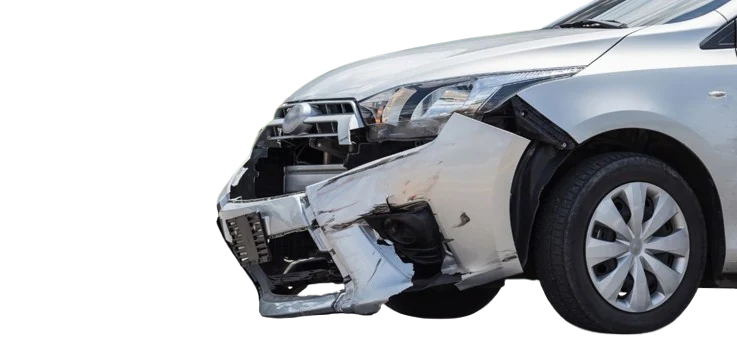
Clear evidence
You receive a clearly comprehensible presentation of which features are new and which are to be regarded as pre-existing.
Targeted repair recommendations
Based on the distinction, it becomes clear which points actually need to be repaired.
Fewer points of dispute
Detailed photo reports and comprehensible layer and gap analyses reduce the likelihood of disagreements with insurers or workshops.
Marzahn: linking measurements and images
The inspection identifies whether there is pre-existing structural damage that could impair road safety.
Situations in which an objective distinction is particularly important
Distinguishing new from old damage is always relevant when unclear previous conditions arise, for example after a minor driving accident, a parking bump or if you want to trade in your vehicle. In Marzahn, it can happen that previous owners have already carried out small repairs or that the vehicle has been standing for a long time; both influence the findings. Even in the case of partial damage claims, where only certain areas are claimed, a specialised report creates clarity about the spatial and temporal attribution. The distinction before the start of repairs is just as important: if comprehensive previous findings are available, repair quotes can be calculated more precisely. Finally, the examination serves as protection against unjustified claims if third parties claim that damage is older or newer than stated. In such cases, a scientifically founded assessment provides a reliable basis.

Methodically verifiable findings
We describe each finding so that its significance remains comprehensible: where measurements were taken, which reference values were used and which conclusions can be drawn from them. The documentation is structured so that third-party experts can also check the assessment.
Practical assessment instead of speculative statements
Our conclusions are based on physical features, measurements and documented previous conditions. We avoid assumptions without evidence and mark uncertainties transparently.
The core of how we work: reasons for our structured approach
Communication-oriented presentation of results
The report is written for you: clear summaries, illustrated evidence and a short, understandable recommendation make further communication with insurers and workshops easier.
Regional experience with typical vehicle use
We know the common types of damage in urban use and take the effects of use into account in the assessment. This helps to place findings in the context of your vehicle's everyday use.
How your car appraiser in Berlin Marzahn separates accident and previous damage
Our inspection process is specifically tailored to this distinction and avoids unnecessary work on the vehicle. Every step is documented and verifiable.
Preparation: reviewing documents and clarifying questions
Before the appointment, we gather all available evidence with you: earlier appraisal reports, workshop invoices, photos of the previous condition and the description of the accident. We specify targeted photo requirements if additional shots are possible in advance and determine which areas should be examined as a priority.
Recording findings: structured photography and measurement report
During the examination, we follow a fixed sequence of images, measure paint layers, check panel gaps and note visible signs of repair. Each measurement report contains position details and reference points so that later assessments are based on concrete references.
Analysis: comparison with proof of repair and technical features
We compare the findings with existing invoices and parts lists, evaluate deformation patterns in the context of the vehicle's construction and check whether signs of replacement or repair are consistent with the current condition. Uncertain findings are clearly marked as such.
Presentation of results: report and recommended action
The written result contains a summary assessment, labelled photographic evidence, measurements and a clear statement as to which damage is new and which is considered to have already existed. We explain possible next steps and answer any questions in an understandable way.
FAQ – Frequently Asked Questions
The following explanations help you prepare for an inspection and understand which documents and information are particularly relevant.
Which documents should I have ready before the appointment so that the distinction is successful?
Bring all available evidence: earlier appraisal reports, invoices relevant to repairs, service books, handover photos from the purchase and all photos taken of the damage incident. If you have photos from several perspectives or points in time, this considerably increases the reliability of the comparison. Written descriptions of repairs or replaced parts as well as information on the age of the vehicle and conditions of use are also helpful. The more complete the documents, the more clearly chronological sequences can be reconstructed and features classified as new or old.
How important are photos from before the damage for the assessment?
Before photos are particularly valuable because they provide an undisputed reference condition. Even simple mobile phone photos of the interior or the front of the vehicle help to substantiate features. If such images are missing, we use alternative evidence such as invoices or workshop reports. Without before photos, however, the importance of the technical trace analysis increases, which is why measurements, layer analyses and detailed shots close to seams become decisive.
How does the appraiser recognise whether a painted area has been freshly resprayed or whether there is an older repair?
The appraiser checks layer thicknesses, differences in gloss, flow and edge patterns as well as the presence of filler or sanding marks. Different layer thicknesses on adjacent surfaces, irregular edges or deviations in colour shade are indicators of earlier work. The type of transitions at apron or wing edges and the condition of the adjacent mounting points also provide clues. Measurements and systematic photo documentation complement the visual assessment to form a reliable statement.
How do you deal with areas that have already been repaired but are poorly documented?
If the documentation is incomplete, the findings are supplemented by technical examinations. We note features such as weld spots, filler applications and signs of corrosion and compare these with typical signs of ageing. Uncertain assessments are identified in the report and given a statement of probability so that it remains clear which conclusions are robust and where further checks would be useful.
How detailed are the measurement results and photos presented in the report?
Measurements and image documents are an integral part of the report. Each measurement is provided with its position, measuring method and reference scale; photos are labelled with the viewing direction and location of the finding. This structure enables third parties to follow measurement results and look up photographic evidence specifically. In addition, measurement uncertainties and tolerances are shown transparently so that the limits of the significance are clearly recognisable.
What happens if the findings contain contradictory indications?
Contradictions are discussed openly in the report: we list the different indicators, evaluate their respective significance and give a summary assessment with gradations. If a clear attribution is not possible, we name possible causes and suggest additional checks. This keeps the result comprehensible and avoids unfounded conclusions.
How do you obtain the technical details to assess previous structural damage?
To assess structurally relevant damage, we rely on the vehicle’s design features, standardised deformation analyses and reference values for gaps as well as rivet and weld positions. We use publicly available technical references where necessary and document how the findings could be related to design-related weak points. The aim is an objective classification of whether a component was already damaged or was damaged by a more recent event.
Next step: a clarifying inspection
If you describe the situation to us, we will tell you specifically which documents we need for a meaningful distinction. In Marzahn, we help you to classify existing photos and invoices and to prepare a structured appointment. The examination is designed to create clear points of comparison and deliver an understandable statement with which you can communicate objectively with workshops or insurers. Get in touch with brief details of the damage, available documents and any previous findings; we will explain transparently how we will proceed and which documents support the assessment. We prepare a car report in Marzahn at your block of flats just as readily as at a garage on Märkische Allee.