
Car Appraiser Berlin Pankow – Careful Vehicle Assessment with Transparent Weighting
Analytical reports, clearly explained
When it comes to valuation, damage analysis or technical findings, what counts are precise observations and a comprehensible weighting of condition, equipment and history. In Pankow every assessment requires careful consideration: how much does paint loss weigh compared with structurally relevant deformation? What effect does an incomplete service book have on the residual value? We document visible defects, check technical parameters and classify equipment details strictly according to their influence on road safety and market value. Photos are taken in such a way that the state of care, the location of damage and possible traces of repair can be clearly distinguished. We include relevant documents in the assessment, from the vehicle registration certificate and invoices to parts certificates, because history and evidence often change the weighting of individual findings. The aim is a written result that remains comprehensible for road users, dealers and insurers alike and takes the local environment of Pankow into account, such as typical usage influences on city vehicles. We also cover neighbouring areas such as Prenzlauer Berg and Weißensee. In the Pankow locality around Breite Straße and the Florakiez, old buildings alternate with smaller houses, and the search for a parking space often ends in a narrow side street. As a car appraiser in Berlin Pankow and vehicle assessor for the north of the city, we inspect your car right there. The home page summarises our services as a car appraiser for Berlin & Brandenburg.
District: Pankow
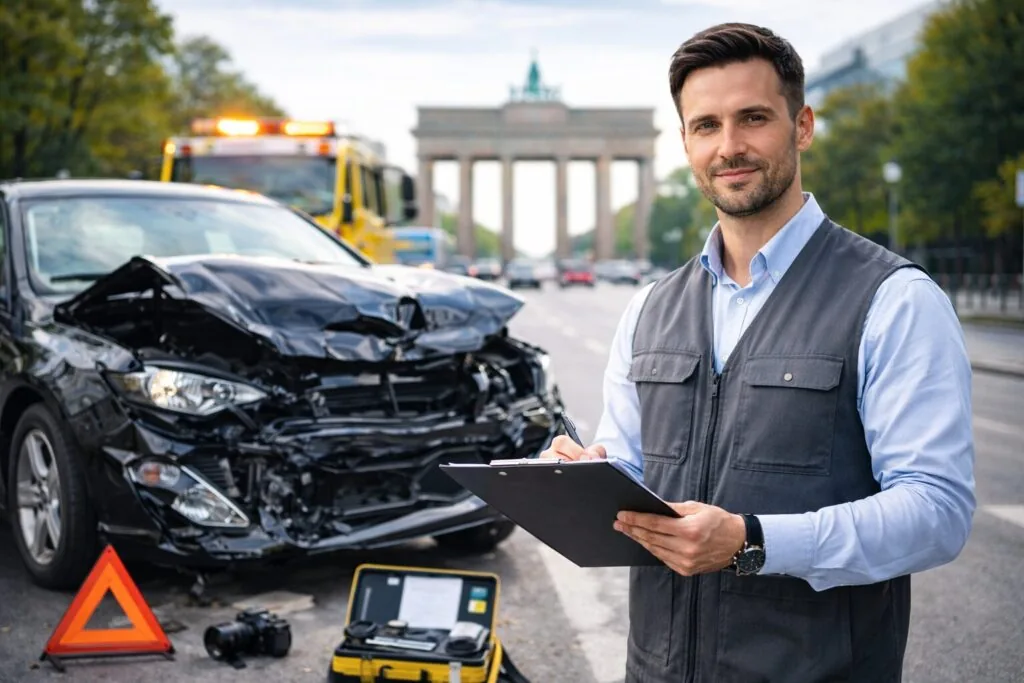
How we classify values and damage in concrete terms
A reliable vehicle valuation begins with systematic data collection: identification, mileage, visible condition, completeness of equipment and existing documents. In Pankow we often observe wear on running gear and bodywork due to age and use, which can only be properly assessed in combination with equipment and history. We make a clear distinction between visual signs of wear that reduce the market value and safety-relevant defects that require immediate action. For each finding we state how much it influences the residual value: unchanged, low, medium or high. Comparative values are also decisive: market prices of comparable vehicles, regional demand and specific repair costs. You receive a comprehensible presentation of which documents support the findings; missing documents are shown as a factor of uncertainty. This creates a basis on which you can make decisions — whether for a sale, a repair or as evidence for third parties.
Precise inspection areas in our service
Our analysis is divided into specialised inspection areas that together lead to a reliable assessment. Each inspection area provides its own observations, photos and a weighting in the final report.
Technical function check
We examine brakes, steering, lights and engine running through targeted tests and visual checks. We document test values, wear patterns and possible fluid leaks. We pay particular attention to components whose failure has a strong influence on road safety and follow-up costs. Measurement results, tolerances and damage patterns are described in images and text in such a way that they can be precisely reconstructed later. For laypeople, we explain which findings require immediate repair and which measures appear economically sensible.
Body and accident damage analysis
Every deformation and every trace of repair is assessed in terms of cause, extent and permanence. We distinguish fresh deformations from properly repaired areas and identify repair shortcomings such as mismatched panel gaps or an uneven paint structure. Photos from different angles and dimensional references support the assessment. In addition, we estimate repair costs in relation to the restoration value so that you can understand whether a repair is technically or economically justified.
Determining equipment and accessories
Equipment has a direct effect on market value and quality of use; we check standard and retrofitted components and whether they can be documented. We assess original parts with a verifiable history differently from unknown retrofits. Additional electronic equipment such as driver assistance systems is checked for function and integrity. In case of uncertainty, for example missing documentation, we weigh things up and state the resulting value uncertainty in the report.
Document check and comparison of history
We systematically organise invoices, service books, TÜV inspection reports and modification certificates in order to understand chronological relationships. Incorrect or missing documentation increases the uncertainty of the assessment and often reduces the expected sale price. We note gaps, assess the plausibility of repair invoices and identify potential risk factors in the history, such as recurring engine damage or unexplained incidents.
Why the weighting of individual findings is decisive
Not every scratch, rust spot or missing receipt carries the same weight. In practice, the combination of type of damage, location and technical relevance determines how much a finding reduces the value. A small paint scratch in an easily visible spot has a different influence from corrosion in load-bearing areas. Technical components such as a non-functioning braking system also change the priorities: safety-relevant defects immediately reduce road safety and the value much more than purely visual blemishes. We set out this weighting openly, describe the criteria applied and name the observations that were most relevant to the value. This allows you to see clearly why we arrive at a particular value or repair recommendation, especially taking into account typical usage profiles in Pankow.
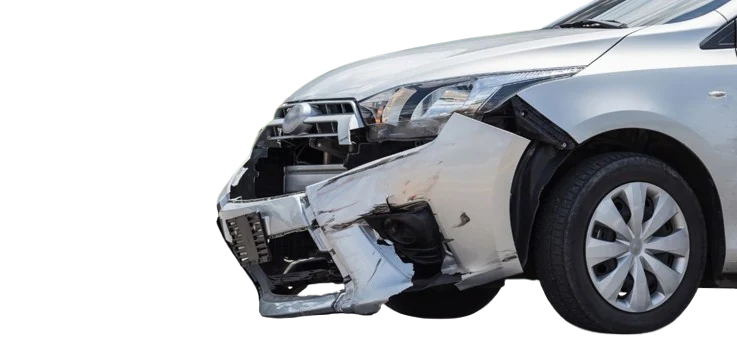
Transparent presentation of the findings
You receive a structured breakdown combining the finding, the assumed cause, the weighting and photographic documentation.
Comprehensible value estimates
Our residual value figures are based on documented comparative values and specific repair cost estimates.
Specific advice on prioritisation
You receive a recommendation on which measures should be tackled first, based on safety relevance, cost-benefit considerations and preserving the resale value.
Clear documentation for third parties
The written report uses clear terms and supporting photos, which makes communication with dealers, garages or insurers easier and reduces misunderstandings.
When a detailed weighting makes sense
A differentiated classification is not only advisable after an accident. In Pankow it can help with purchase and sale decisions, before upcoming repairs or to clarify a suspicion of hidden defects. The assessment is particularly important if the history or documentation is incomplete: here every additional piece of information has a strong effect on the final result. A clean, weighted inventory is also useful in disputes about previous damage or if manipulated mileage is suspected. Our reports also name factors of uncertainty and give recommendations for additional checks, such as measurements on load-bearing components or electronic diagnostics, which often provide clarity when findings are unclear.
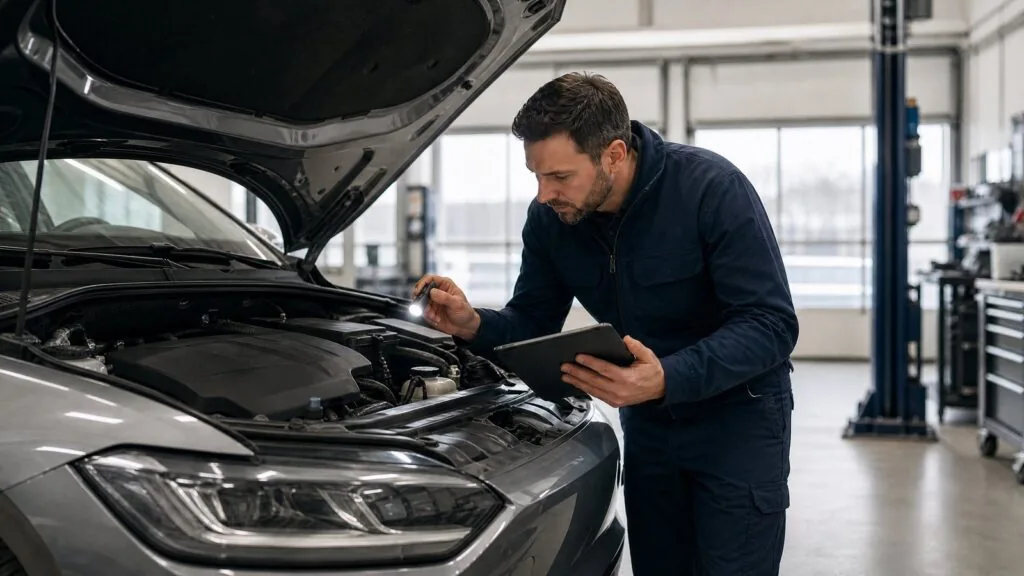
Criteria-based weighing up
We use clear criteria instead of blanket statements: location of damage, materials affected, functional impairment and available evidence are each included in the result with a different weighting. This produces a graded opinion on value.
Evidence-based documentation
Every relevant finding is supported by photos, text and, if necessary, measured values. This chain of evidence strengthens traceability for third parties and reduces room for interpretation.
Reasons for our methodical approach: why our assessments are structured differently
Practical recommendations
Our conclusions contain action-oriented suggestions that match your goal — sale, repair or legally sound documentation — with an assessment of costs and benefits.
Regional usage aspects
We take into account local factors influencing vehicle condition, such as short urban journeys or the effects of road salt, and include these in the valuation.
How your car appraiser in Berlin Pankow assesses step by step
Our procedure is divided into manageable stages, at each of which you can follow which information is collected and how it is weighted.
Initial recording and review of documents
We begin with identification and a review of all available documents: vehicle papers, invoices, maintenance records and previous reports. We record missing documents as a factor of uncertainty and explain how this influences the assessment.
Visual inspection and photographic recording
All exposed surfaces, damaged areas, panel gaps and interior details are systematically photographed and commented on. The photos are scaled so that the extent and location of the damage can be clearly determined.
Function tests and short technical diagnosis
Key components are checked by means of simple function tests: braking effect, steering play, drive behaviour, lights and on-board fault codes. Abnormalities are given a clear classification according to urgency.
Analysis, weighting and report preparation
Based on the findings collected, we assign a value relevance to each point, estimate the repair effort and prepare a final report with supporting photos, value figures and specific recommendations for action.
FAQ – Frequently Asked Questions
The following questions explain which documents, photos and information are important for a reliable report and how we interpret findings.
Which papers and evidence should I have ready for the inspection?
Bring the vehicle registration certificate, the registration certificate Part II if available, service books, repair invoices, TÜV inspection reports and evidence of spare parts or retrofits. If documents are missing, we mark such gaps in the report and assess the resulting uncertainty. The more complete the history, the more precisely it can be judged whether damage is the result of a one-off event or of recurring defects.
How should photos be taken so that they can be used in the report?
Photos should show damage from several angles, with a dimensional reference (e.g. a ruler) and in sufficient light. Detailed shots of impact points, panel gaps and ground clearance complement overall views. Also document the interior, running gear and engine compartment. We supplement these pictures on site and assess which shots are required for later preservation of evidence.
How do you deal with previous damage or older repairs?
Older repairs are checked with regard to their professional execution and their influence on safety and value. We distinguish properly repaired areas from unsuitable repairs and assess whether earlier damage could have left structural weaknesses. The available evidence and the visual/technical integrity are included in the weighting.
How important is the equipment in determining value?
Equipment does not automatically increase the market value; what matters is functionality, originality and verifiability. A fully functional assistance system can increase the value, whereas undocumented retrofits often lead to deductions. We check the equipment for function and document which elements specifically influence the residual value.
How do you distinguish visual defects from safety-relevant defects?
We check whether a defect affects function or structural integrity. Paint damage and small dents are usually cosmetic, provided they do not affect load-bearing components. Cracks in load-bearing elements or damaged suspension or brake parts lead to a safety assessment that suggests immediate action. This distinction is clearly stated in the report with the corresponding level of urgency.
How can I prepare for an appointment to increase the evidential value?
Gather all available documents, briefly clean very dirty areas shortly before the appointment if possible, and have spare keys ready. Note any particularities such as unusual noises or behaviour of the vehicle. The better the advance information, the more precisely findings can be classified and weighted.
When are further technical measurements necessary?
If visual findings indicate structural damage or the function tests show irregularities, we recommend more in-depth measurements, such as panel gap checks, alignment bench checks or electronic diagnostics. Such measurements reduce uncertainty and are particularly useful when road safety or high economic values are at stake.
Ready for a comprehensible assessment?
If you would like a clear, comprehensible and documented assessment of your vehicle, we can coordinate the analysis for Pankow. We explain in advance which documents and photos have the greatest influence on the evidential value, discuss possible factors of uncertainty and determine which checks we consider useful. This gives you a result that opens up specific options for action — whether for a sale, repair decisions or as well-founded evidence for third parties. We also prepare car and accident reports in Pankow’s neighbourhoods of Niederschönhausen, Buch and Karow.