
Car Appraiser Berlin Wannsee: Careful Clarification of Value and Condition Before Important Decisions
Differentiated assessment for informed vehicle decisions
When details are decisive in a vehicle purchase, sale or major repair, the assessment must be precise and transparent. In Wannsee, it is not only the result that counts, but clarity about how it was reached. We help you recognise the actual condition of a vehicle: visible damage, hidden previous damage, deformation of the bodywork, panel gaps, paint layers, signs of corrosion, technical parameters and the documentation of maintenance. For you, this means well-founded information as a basis for negotiations or decisions on continued use. When recording the findings, we pay attention to replacement and repair costs, road safety issues and documentation-relevant details that insurers or buyers will need to understand later. You receive a structured presentation of the findings, step-by-step photos and information on which documents support the assessment – such as the service book, repair invoices, inspection reports or MOT (HU) records. In Wannsee in particular, it is often helpful to trace how a vehicle has been used so far: what period of use is plausible, what care is evident, and what measures are required to ensure safe continued operation? The presentation is designed so that you can quickly see which points affect the value and which are to be regarded as mere signs of use. We also offer a detailed vehicle valuation for neighbouring areas such as Zehlendorf and Spandau. Wannsee, with the Großer Wannsee lake, the lido and many villa plots, lies in the far south-west of the city near Potsdam. As a car appraiser in Berlin Wannsee, we inspect high-value vehicles, classic cars and motorhomes directly on your property. The home page shows who we are as a car appraiser for Berlin & Brandenburg.
Wannsee

Precise findings instead of general estimates
For decisions with economic consequences, you need more than a snapshot: you need verifiable facts. In Wannsee, we therefore take a structured approach to every assessment. First comes a visual inspection and a review of the documents: the service book, repair invoices, TÜV/MOT (HU) entries and registration documents are often key documents. We then document visible traces in words and pictures: paint condition, hairline cracks in plastic, irregularities at joints, anomalies in the chassis and wheels, and oil and fluid leaks. Particular attention is paid to areas that are overlooked in simple inspections, such as longitudinal cracks in load-bearing structures, distortion of body profiles or subsequently altered repair lines. Relevant measurements – e.g. panel gaps, differences in wheelbase or deviations in suspension travel – are recorded if they are decisive for the assessment. It is important for you to know which photos and which perspectives make later exchanges with garages or insurers easier: serial numbers, the mileage readable on the instrument cluster, VIN plates, transition points in accident damage, and detailed shots of welds or sealing. On request, we explain the significance of individual findings in a separate section of the report so that you can argue convincingly in discussions with third parties. This approach ensures that the assessment in Wannsee does not depend on general wording but is based on transparent, verifiable findings.
Scope of services focusing on value, condition and safe use
Every assessment is based on the specific question: is it about a purchase, a sale, a repair decision or approval for further use? From this perspective, we put together the relevant checks, explain the documents required and define the scope of documentation so that you can derive concrete steps.
Assessment before purchase or sale
Before a purchase decision, we clarify which defects affect the market value and which costs are realistic for a safe repair. We check maintenance records, compare visible wear with the documented mileage and assess whether existing impairments should be classified as accident-related, wear-related or properly repaired. Photos and measurements substantiate findings for the seller or buyer; the valuation report names the priority of possible repairs and estimates realistic replacement or repair costs. For sales situations, we also provide advice on how an advert can present the established condition appropriately without misleading the buyer. You receive transparent information on costs and prices in advance.
Damage analysis and detection of previous damage
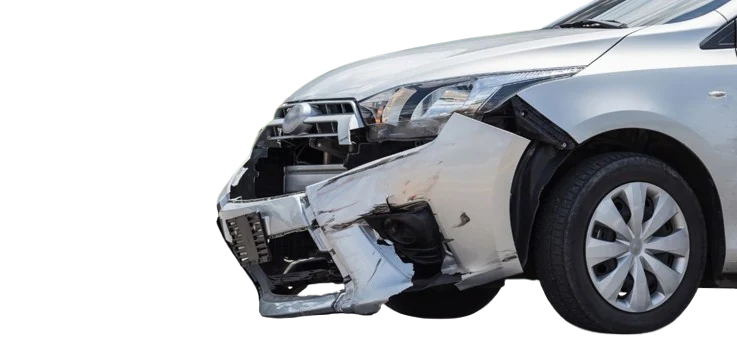
If hidden or incompletely repaired damage is suspected, we examine body structures, mounting surfaces and interior connections for signs of earlier work. Alignment tolerances, atypical weld patterns, different paint layers and altered mounting points are indicators that we document. The report distinguishes between repaired areas, possible residual effects and defects that may impair operational safety. This analysis helps you obtain realistic cost estimates and make informed decisions about the scope of repairs or options for withdrawal.
Technical classification before repair decisions
Before you commission extensive work, it makes sense to know whether the proposed repair is technically necessary or merely cosmetically desirable. We assess proposed work in terms of functionality, safety-relevant criteria and long-term consequences. This includes checks of steering and suspension assemblies, brakes, dampers and load-bearing elements, as well as an assessment of whether proven repair methods can be used. The report shows which measures are indispensable from a safety point of view and which remain optional.
Documentation for insurers and third parties
A carefully prepared report offers clear, transparent findings that provide a reliable basis in discussions with insurers, garages or legal representatives. In addition to written descriptions, the damage documentation for claim settlement contains standardised photo series, traceable measurement logs and a clear presentation of the origin and extent of the damage. We point out which documents are required when reporting a claim and how individual findings may affect the classification of the damage, without making any legal assessment.
Why precise clarification of condition makes the difference
A superficial assessment can lead to wrong decisions: underestimating or overestimating the need for repairs affects the sale price, negotiating position and everyday safety. In Wannsee, there is also the fact that seemingly small traces can quickly point to deeper problems, for example when corrosion increases in load-bearing areas or invisible deformation changes the driving dynamics. Precisely documented findings make offers and garage recommendations comparable. They allow you to question cost estimates, set priorities for repairs and clearly weigh up risks for further use. In addition, a detailed presentation makes it easier to understand price reductions or the need for further checks by specialised businesses. In short: the precision of the condition assessment often decides whether a decision makes economic sense and is technically responsible.
A better basis for negotiation
With transparently documented findings, you can question price demands or offers in a targeted way.
Targeted repair priorities
The report separates safety-relevant defects from purely cosmetic damage and recommends an order for the measures.
A transparent basis for decisions
You receive a structured presentation of the findings, including photographic evidence and explanations.
Safety-relevant assessments
The assessment covers aspects that affect operational safety, such as load-bearing structures, brake components and chassis condition.
When a detailed assessment makes sense
An in-depth assessment is always advisable when the economic or safe use of the vehicle is at stake: before a purchase decision with an unclear history, after a damage event, when proposed repairs are extensive or when the vehicle enters a new phase of use as a used car. In Wannsee, such decisions often arise in situations where road registration, resale and long-term use have to be weighed up at the same time. A careful condition assessment also creates clarity if there is disagreement about previous repairs or doubts about the completeness of service records. What matters is not only the current description of faults, but placing the findings in an overall economic and technical picture: what consequences does a defect have for the remaining service life, what costs can be expected for safe repairs, which parts must be replaced properly and which measures are merely cosmetic? These answers help you to use the vehicle responsibly or to take clearly justified negotiating positions.

Consistent documentation
Each finding is provided with the date, place of recording and photos with explained perspectives. This documentation makes later statements verifiable and reduces room for interpretation.
Technical benchmarks
Assessments are based on technical indicators such as dimensional deviations, functional tests and comparison with manufacturer specifications, not on blanket estimates.
Why this approach benefits your decision-making
User-oriented statements
In addition to the pure description of findings, you receive information on the practical significance of individual defects: how urgent they are and what consequences they have for use and costs.
Wannsee: clear technical guidance
The reports separate objective findings from possible interpretations. Clear wording makes discussions with garages or buyers easier.
How your car appraiser in Berlin Wannsee proceeds systematically
The assessment follows fixed work steps based on the question to be clarified. Each step is designed to base your decision on reliable facts.
Initial consultation and clarifying the question
In a conversation, we clarify your goal: pre-purchase inspection, damage investigation or repair decision. This determines the scope and depth of the inspection and which documents you should provide so that the assessment is targeted.
On-site document review and visual inspection
We take a systematic look at the service book, invoices, MOT (HU) documents and visible components. Anomalies are recorded in writing and documented with detailed photos to enable later comparisons.
In-depth technical checks
Where necessary, we carry out precise measurements, functional tests of drivetrain and chassis components and checks for signs of earlier repairs. These steps substantiate the technical classification of the findings.
Written summary with recommendations
The end result is a structured report: description of findings, photo documentation, assessment of value and repair needs, and advice on further checks or sensible cost estimates.
FAQ – Frequently Asked Questions
Below we answer typical but nuanced questions that often arise during an objective condition assessment. The answers show which documents and observations are really relevant and how you can prepare in practice.
Which documents should I bring to the appointment so that the assessment is meaningful?
Bring all available maintenance records, repair invoices, the service book, MOT/emissions (HU/AU) reports and, if applicable, earlier reports. If you have photos from before the damage or email correspondence with the previous owner, these help to reconstruct the history. Dates and mileage readings are important so that we can trace changes over time. If documents are missing, we note this in the report; this affects its significance, but is communicated transparently.
Which details are photographed in particular when recording the findings?
We always photograph damaged areas from several angles, adjacent components, visible identification numbers such as the VIN, the readable mileage, suspension mountings, brakes, tyres and specific repair features such as welds or filler layers. Close-ups show material transitions, changes in paint thickness and areas of corrosion. This series of images later serves as a visual chain of evidence that supports the statements in the text.
How do you deal with identifiable previous damage that has not been fully repaired?
If previous damage is identifiable, we distinguish between properly repaired areas, incompletely repaired areas and damage with lasting consequences for function or safety. Each category is distinguished in the text and supported by photos. We point out which of these findings may result in follow-up costs or restrictions in use, without giving legal assessments.
How is the repair status assessed if work has already been carried out?
The repair status is assessed according to whether the work was carried out properly and whether it fully restores the original function. Criteria include choice of materials, accuracy of fit, joining techniques and visible finishing. If a repair is defective, we document specific points for rectification and the risks involved.
How do third parties such as garages or insurers receive and use the report?
The report is structured so that garages can directly adopt the necessary repair instructions and insurers can understand the origin of the damage. The photo documentation and measurement results serve as a basis for cost estimates. We make sure that the wording is objective and verifiable so that third parties can use the findings without reinterpreting them.
What else should I check or prepare before the appointment?
Make sure the vehicle is accessible, document obvious defects in your own photos beforehand and note down relevant questions. Gather all documents, note any special features of use (e.g. frequent short journeys) and report unusual noises or malfunctions in advance. This information increases efficiency on site and improves the accuracy of the assessment.
How detailed is the handover of results and in what form do I receive the report?
You receive a written report with clearly structured findings, a photo sequence and an assessment of value and repair needs. On request, we add a short, practical action profile: which steps should be taken in the short term and which long-term observations make sense. The handover takes place with a personal explanation so that you can discuss questions directly.
Decide well prepared – objective, transparent, locally relevant
When details matter, now is the time for a well-founded assessment. In Wannsee, we offer you an objectively structured condition assessment that combines technical findings with practical significance. Prepare the available documents for the appointment and note down any open questions about how the vehicle has been used or about known incidents. We then provide you with transparent documentation with photographic evidence, technical assessments and pragmatic recommendations, so that your next decision is based on a reliable foundation.