
Car Appraiser Berlin Weißensee: Chronological Assignment of Visible Features
Careful documentation, a traceable damage history
When reconstructing vehicle damage, the order of the findings often matters more than the mere amount of the damage. In Weißensee we support vehicle owners with a focus on the chronological assignment of visible features: when did dents appear, which scratches belong to an earlier incident, and which marks point to fresh impacts? The aim is a traceable damage chronology that links photos, measured values, workshop notes and witness statements in such a way that later decisions are better supported. The approach is orderly and transparent: every finding is given a documented classification by time, assumed cause and relevance to road safety or loss in value. You receive a clear account of which marks were caused directly by the incident in question and which are to be classed as previous damage or signs of age. This distinction is crucial for a realistic valuation of the replacement or repair requirement. We are also there for you in the neighbouring districts, for example as a car appraiser in Berlin Pankow or as a car appraiser in Berlin Prenzlauer Berg. In Weißensee, too, we come to you as a car appraiser for Berlin & Brandenburg – travel to you is free of charge.
Local service in Weißensee

How a chronological damage history gives you clarity
A report that is more than a list of costs arranges visible features according to their plausible time of origin. In Weißensee it is important to take structured records on site: serial numbers, fracture edges, paint cracks, stone chips and deformations are recorded in photos and in writing. This includes comparison photos of the general surface condition, measurement records for panel gaps and statements on typical signs of repair such as filler or resprayed areas. Existing invoices, MOT (HU) reports, service books and workshop photos taken before and after work are just as relevant. Combined with prompt witness statements, it is often possible to establish whether damage can clearly be attributed to the reported incident or whether several separate impacts at different times are involved. We explain transparently which indications are decisive for an initial description and which documents provide additional certainty. On this basis, a traceable account is created that remains robust for discussions with insurers, negotiations with workshops or later reviews.
Specific examinations for a complete sequence of findings
The following services are designed so that individual findings can be fitted consistently into a chronological account. Each service focuses on recording time-related features and adds verifiable details to the overall documentation.
Photo documentation with findings record
Systematic photo documentation is the basis of any chronological classification. We take detailed photos from several perspectives, add dimensions and describe abnormalities such as paint layers, the course of scratches or localised deformations. Each image comes with a record stating the time, lighting conditions and measurement references. This makes it possible to check changes later against the original photos. We also include comparison photos of the general condition in order to distinguish signs of ageing or weathering. This structured collection helps to separate earlier repairs, fresh impacts or incipient corrosion from one another and can be used directly for the further assessment.
On-site material and layer analysis
To distinguish between current and older paint damage, we use simple paint layer thickness measurements on site and visual assessments of the paint edges. Such measured values, combined with findings at edges and joints, show whether a layer blends smoothly or whether overlaps suggest earlier work. Examination of fracture patterns in deformed plastic or metal parts is also included. The result is clear statements on which marks probably belong to the reported incident and which are to be regarded as earlier. We document these measurement data in tables so that workshops or fellow assessors can follow the data basis straight away.
Chronological report with an evidence appendix
The report itself is structured as a chronological account: first, the immediate findings are described in their presumed order of origin, then previous damage and signs of ageing are listed separately. Each section contains cross-references to photos, measurement records and submitted documents such as invoices or inspection reports. An appendix of organised evidence makes it easy to find the basis for decisions quickly. The account avoids speculative conclusions and instead states the probabilities that result from the evidence collected. This gives you a practical basis for discussions with insurers, workshops and, where applicable, legal counsel. Information on costs & prices is also set out transparently.
Assessment of the repair status and plausibility check
We assess whether repairs already carried out have been properly documented and how they affect the existing damage chronology. This includes checking invoice details, workshop photos, parts used and the fitting pattern. Checks of panel gaps, bolt patterns and internal deformations clarify whether repairs were carried out properly or whether subsequent work changes the significance of the findings. This plausibility check shows which workshop documents should usefully be added to secure the chronological order of events.
Why the chronological classification is often more decisive than the amount of damage
Not every row of scratches or every dent necessarily belongs to the incident you have described. In Weißensee, vehicle owners often find that older signs of use and fresh impacts exist side by side. The distinction affects the question of which parts are replaced or included in the replacement value. With careful documentation, measures can be limited in a targeted way and misjudgements avoided. For insurance and valuation questions, a clear separation between previous damage and current damage is often decisive. We explain which features can plausibly explain the chronological order, which photo perspectives carry the most weight and which additional documents strengthen the evidential value. This gives you an objectively reasoned report based on verifiable evidence that reduces unnecessary room for interpretation.
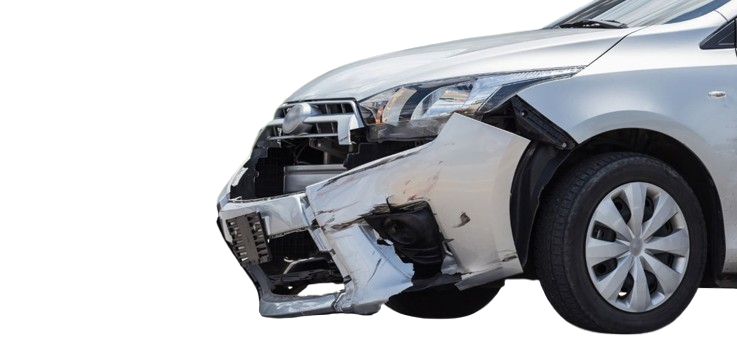
Clear structure of evidence
Orderly filing of photos, measured values and invoices creates a traceable structure of evidence.
Targeted repair recommendations
By separating events in time, we identify which measures are essential and which cosmetic improvements may need to be considered as separate measures.
Weißensee: making practical decisions easier
With a documented damage chronology, you can argue on a sounder basis in discussions about reimbursement of costs or loss in value.
Weißensee: linking findings and documents
A clear separation of evidence and conclusions makes assessments verifiable.
When a chronological breakdown is particularly important
A detailed chronological classification makes sense when there are several areas of damage, when previous damage is suspected or when repairs have already been carried out. In Weißensee this is common with older vehicles, where signs of use merge indistinctly with new impacts. The chronology is also important when amounts attributable to loss in value from fresh damage are to be discussed. In the case of partial repairs or different material stresses, the structure also helps to clarify responsibilities. We describe which indications are particularly reliable for the assignment, how witness statements are classified and which documents you should have ready in advance to enable a precise chronological breakdown.

Evidence-proof documentation instead of vague descriptions
We attach great importance to verifiable individual evidence: every photo, every measurement and every invoice is referenced so that the sequence of events can be reconstructed. This lowers the risk of incorrect attributions.
Clear separation of ageing and fresh damage
Targeted examinations of paint edges, layer thicknesses and fracture patterns make it possible to distinguish typical signs of age from fresh impacts. This increases the significance of the report.
Reasons for an orderly and traceable report structure
Practical use for insurance and repair processes
The report is structured so that workshops and claims handlers can find the relevant evidence quickly. Clear cross-references and an organised appendix make further processing easier.
Transparent statements of probability
Instead of speculative final verdicts, probabilities are stated and linked to evidence. This transparency makes the assessment robust and traceable.
How we work: step by step to a reliable damage chronology
The process is divided into clearly separate steps so that every observation can be documented, checked and classified.
Preparation and review of documents
First, we collect all available documents: photos, invoices, MOT (TÜV) notes and workshop receipts. We check which documents provide further indications of prior damage and which gaps still need to be closed.
Systematic recording of findings on site
During the on-site inspection, all visible features are photographed in a standardised way and measured. Particular attention is paid to transitions, edges and fracture edges, as these often provide the best information about timing.
Analytical evaluation and measurement documentation
The data collected are evaluated: layer thicknesses, panel gaps and damage patterns are compiled in tables. This evaluation allows the individual pieces of evidence to be weighted objectively.
Preparing the chronological report
Finally, we write the damage description in chronologically structured sections, add cross-references to the evidence for each finding and include a clear summary with recommendations for action.
FAQ – Frequently Asked Questions
Here we answer typical questions about documents, photographic requirements and how findings are classified. Each question is aimed at concrete help with your decisions.
Which documents should you provide before an appointment?
Before the inspection appointment, it is helpful to gather all available invoices, service books, MOT (TÜV) reports and photos of the vehicle taken before the damage. Workshop photos of earlier repairs and receipts for spare parts are particularly useful. Written witness statements and details of the location or time of the incident also support the chronological classification. The more complete the documentation, the more precisely previous damage can be distinguished from current impacts.
How should photos be taken so that they support a statement about timing?
Photos should show several perspectives: overall views to locate the damaged area and close-ups of fracture edges, the course of scratches and adjacent paint transitions. Scales such as folding rules or tape measures improve comparability. Note the date, time and lighting conditions for each picture. Close-ups of the edges and the material structure are often decisive in distinguishing later deformations or fresh paint damage from older signs of use.
When does it make sense to measure paint layer thickness?
Paint layer thickness measurements are advisable when resprays or multi-layer repairs are to be expected. They indicate whether there are several coats of paint or whether an area has been coated unusually thinly or thickly. Such measured values support the classification into current damage or earlier work and are particularly meaningful when photos of the edges and detailed notes are also available.
How do you deal with recognisable previous damage?
Visible previous damage is recorded and described separately without automatically linking it to the current damage incident. We note the type, location and presumed time of origin of the previous damage as well as indications that allow it to be assigned. If invoices or workshop photos are available, we include this evidence. The aim is to achieve a clear separation so that only the relevant parts are included in the current assessment.
What significance does the repair status have for evaluating the report?
The repair status determines which original conditions can still be checked. Where work has already been carried out, bolt patterns, connecting edges and assembly marks are checked to detect subsequent work. Documented repairs can make the assignment easier or more difficult, depending on how complete the workshop documents are. A complete sequence of evidence reduces the room for interpretation and strengthens traceability.
How is safe use of the vehicle taken into account in the report?
In addition to the chronological classification, we assess whether the damage found has an effect on driving. To do this, we examine structural deformations, suspension parts and safety-relevant attachments. If there are safety defects, these are listed clearly separated from purely cosmetic damage so that repair priorities are recognisable and measures can be derived immediately.
How do you receive the result and what form does the evidence appendix take?
You receive a written report with a clearly structured findings section and an organised evidence appendix. The appendix contains the numbered photos, measurement records and copies of the documents submitted. Each piece of evidence is cross-referenced to the relevant sections of the report. This structure makes it easier for you to pass it on to insurers or workshops and ensures that the reasoning remains traceable and verifiable.
Next step towards an orderly clarification of the damage
If you need a traceable, chronologically ordered account of damage in Weißensee, we support you with documentation, analysis and expert classification. Before the appointment, bring any existing invoices, photos and inspection certificates so that the examination is efficient and robust. We prepare a clear collection of evidence for you and a clear, verifiable account of the chronological order of the damage. Contact us for an initial, fact-based assessment and an inspection appointment.