
Vehicle Valuation Berlin – Independent Valuation Before Buying and Selling
Our vehicle valuation is intended for anyone who wants a realistic assessment of condition and market value before buying or selling. If formal proof of value is required for insurance, court or an estate, we recommend a detailed car valuation report.
Table of contents
- Before buying a vehicle: weighing up condition and use
- When selling: documentation as a basis for negotiation
- Lease return: wear and tear versus normal contractual use
- Classification for asset purposes: market observation and previous ownership
- Frequently asked questions about the service
- Deriving value arguments from equipment, condition and market environment
- Reasons for valuation in private and commercial vehicle fleets

Before buying a vehicle: weighing up condition and use
When buying a vehicle, the distinction between a purely computed estimate and an on-site valuation is crucial. An estimate based on data and list prices provides initial guidance but does not replace a physical inspection. On site, visual features, the technical substance and signs of improper repairs or hidden damage are checked. Mileage, service history and the visible state of care are also included in the valuation. This is the only way to assess typical sources of risk and document them comprehensibly. The same applies to a classic car appraisal, a motorhome appraisal or a motorcycle appraisal.
You can find out more about our work as a car appraiser for Berlin & Brandenburg on our home page. Before buying a used vehicle, we recommend a used car check.
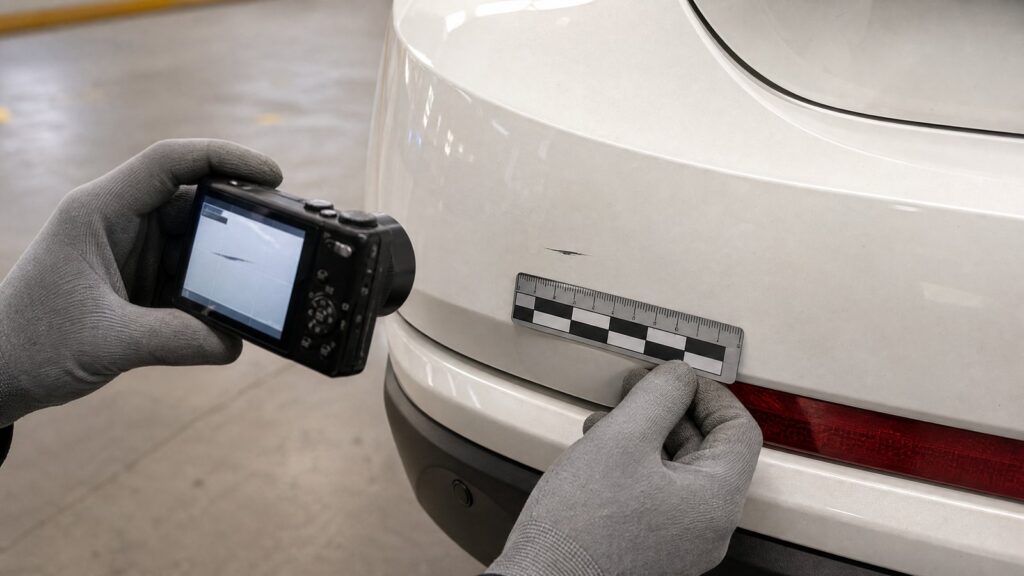
For a well-founded vehicle valuation in Berlin, our in-person inspection takes into account indications that cannot be seen online: panel gaps, paint thickness measurements, typical corrosion spots and the condition of brakes and tyres. A plausibility check of the odometer reading is also part of the on-site analysis. This information allows a proper assessment of short- and medium-term maintenance requirements and gives you a reliable basis for objectively checking price expectations. A valuation report of this kind creates clarity for everyone involved.
| Inspection aspect | What we look at | Benefit of the documentation |
|---|---|---|
| Visual condition | Bodywork, paint, panel gaps, interior wear | Evidence of the state of care and possible repair costs |
| Technical condition | Engine running, braking behaviour, suspension, fluid levels | Visibility of defects, basis for cost estimate |
| Maintenance and service history | Service book, invoices, inspections carried out | Assessment of reliability and value-preserving measures |
When selling: documentation as a basis for negotiation
When selling, clear and reliable documentation is often the key to realistic price negotiations. In addition to describing defects, the relevant points include a transparent presentation of equipment features, maintenance carried out and, where applicable, proof that the vehicle is accident-free. A structured comparison of condition and usual market values helps you to put forward comprehensible arguments to prospective buyers or dealers without raising unrealistic expectations.
The following checkpoints serve as a practical check before handing the vehicle over to potential buyers or trade partners:
- Check that the service documents are complete and when the last inspections took place
- Check tyre tread depth and even tyre wear
- Assess visible repairs and differences in paintwork
- Verify that all electrical equipment works

Lease return: wear and tear versus normal contractual use
When returning a leased vehicle, it is important to determine properly what counts as normal contractual wear and what is damage beyond that. The valuation takes into account mileage, visible wear in the interior and the technical condition, tyres and brakes. The aim is to establish which damage actually goes beyond normal wear and tear. We document the findings so that they are clearly comprehensible for discussions with the lessor or for the return report, without making any commitments on value.
Recurring wear points such as seat edges, floor mats, inner door panels and the function of essential components are particularly critical. Tyres with uneven wear or non-compliant tyre sizes are also taken into account. Our valuation aims to present the actual defects transparently and to distinguish between possible degrees of signs of use so that return discussions can be handled objectively.
Classification for asset purposes: market observation and previous ownership
For tax, insurance or inheritance-related questions, the economic classification of a vehicle is important. This takes into account regional market observations, demand trends in Berlin and comparable prices for similar vehicles. Previous ownership, accident history and special equipment influence the valuation and are documented objectively. We prepare a comprehensible account that you can use for internal valuation or for submission to third parties, without giving any price guarantees. As appraisers, we are there for you throughout Berlin, including in Spandau, Neukölln and Reinickendorf.
In addition to determining the value, the documentation also includes information on special features that may influence the market value, such as rare equipment variants or seasonal demand trends. Changes of ownership, damage that occurred some time ago and traceable maintenance are also taken into account. The aim is a transparent classification that can serve as a basis for decisions in an asset- and insurance-related context. Further information on costs & prices and useful tips can be found in our vehicle appraisal guide (German).
Deriving value arguments from equipment, condition and market environment
In a professional vehicle valuation, technical data, mileage and year of manufacture are combined with the actual condition of the specific vehicle. Visible signs of use, maintenance, optional extras, tyres, interior and verifiable investments can be just as relevant as comparable market offers.
The valuation explains these factors comprehensibly instead of stating a value in isolation. This makes it clear which features support the value, where deductions may be plausible and which details remain important for a later decision.
Reasons for valuation in private and commercial vehicle fleets
A vehicle valuation can be useful before a sale or purchase, for an internal inventory, for insurance purposes or for documentation after a repair. In the commercial sector, it also helps to classify vehicles comprehensibly in fleet and handover processes.
The focus of the valuation is adapted to the occasion. The result therefore remains practical: an understandable basis for the specific case rather than a general description with no reference to the vehicle.
FAQ – Frequently Asked Questions
Is there a significant difference between an estimate and an on-site valuation?
Yes. An estimate is usually based on data sets, empirical values and comparable prices and provides rough guidance. An on-site valuation adds direct findings on the vehicle to this information, such as paint condition, deformations or mechanical abnormalities. The latter allows a more precise assessment of the risk of defects and the expected maintenance costs, which are not always apparent in an estimate.
How important is maintenance documentation for the value?
Documented maintenance is a relevant indicator of care and value retention. Regular inspections and invoices show that the vehicle has been looked after and make the technical condition more traceable. If there is no proof, appraisers rate the risk of hidden defects higher. The specific effect depends on the age, make and previous usage of the vehicle.
What role does mileage play in the valuation?
Mileage is an important parameter, but not the only decisive one. What matters is its plausibility in relation to the vehicle history and its interplay with maintenance, use and condition. Low mileage can be put into perspective by poor care, while well-documented, regular maintenance sends positive signals even with high mileage. Every valuation takes all of these factors into account as a whole.
Does the valuation take regional market differences into account?
Yes, regional market observations are included in the classification. Demand, regional price levels and typical equipment preferences in Berlin and the surrounding area influence the market value estimate. These observations serve to assess comparable values more realistically and to give objective reasons for expectations of local sale prices, without predicting a binding sale result.
How are tyres and brakes included in the valuation?
The condition of tyres and brakes is safety-relevant and is checked in detail. Tread depth, even wear, DOT information and visible damage to tyres as well as brake pad thickness and disc condition are included in the valuation. If there is a clear need for replacement, the expected measures are documented so that their influence on the vehicle value is transparent and comprehensible.
Are previous ownership and accident history taken into account?
Previous ownership and accident history are important factors in classifying the value of a vehicle. Several previous owners or documented accident damage can influence the market value, as can traceable and professionally performed repairs. We document such information objectively and indicate how it may influence the valuation, without making binding statements about achievable sale prices.
Do you need fast, professional help?
We operate throughout Berlin and Brandenburg. Contact us for a free initial assessment.