
Car Appraiser Berlin Charlottenburg – Technical Assessment Within a Tight Time Frame
Objective. Precise. For your quick decision.
You are under time pressure: the police, workshop and insurer need to be coordinated, the dealer and towing service are waiting, and you need a quick technical assessment. In Charlottenburg, what counts in such cases is a clear, structured damage assessment report that documents technical observations in such a way that everyone involved can act quickly. We concentrate on the relevant findings: visible body damage, panel gaps, deformation of the suspension, fluid leaks, deformation of relevant components and the immediate safety relevance for driving and transport. You do not receive a lengthy legal interpretation but a technically reliable description and prioritisation of the measures. The report shows which repair procedures need to be checked, which images and measurements might be missing and which immediate measures offer protection against consequential damage. Particularly important is the early distinction between accident damage and previous damage, as well as recording signs of use that affect the vehicle valuation. If several parties make claims at the same time, a clear technical presentation ensures that discussions are based on verifiable facts. As a result, you can make decisions that save time and avoid costly misjudgements. In Charlottenburg, too, we are on the road for you as a car appraiser for Berlin & Brandenburg, and we come to you free of charge.
District: Charlottenburg

In brief: what to expect in practice in Charlottenburg
In Charlottenburg, dense traffic routing, short deadlines and various points of contact often come together. For you, this means a report must deliver results that can be used immediately. We start with a systematic visual inspection: external damage, visible fractures, deposits and leaks are documented. At the same time, we check warning lights, the condition of tyres and rims and chassis components for visible effects. Key documents are the vehicle registration documents (Part I and II), the service and repair history and any photos taken before the incident. For rental or leased vehicles, we also request the handover documents. A particularly relevant question is whether damage acutely impairs road safety or can be tolerated temporarily. Our technical assessment names the components that must be checked immediately and sets out which measurements are missing to back up the findings. For coordination with the insurer and workshop, we provide clear wording based on technical criteria – so that the next steps can be agreed quickly and purposefully. Traffic conditions specific to Charlottenburg often influence the cause of the damage, but the report remains objectively focused on the condition of the vehicle. The same applies to neighbouring districts such as Wilmersdorf and Tiergarten.
Technical focal points of our inspection
We concentrate on findings that are directly relevant to road safety, the scope of repairs and the allocation of liability. Each service is documented in such a way that it can be used in discussions.
Visual findings and photo documentation
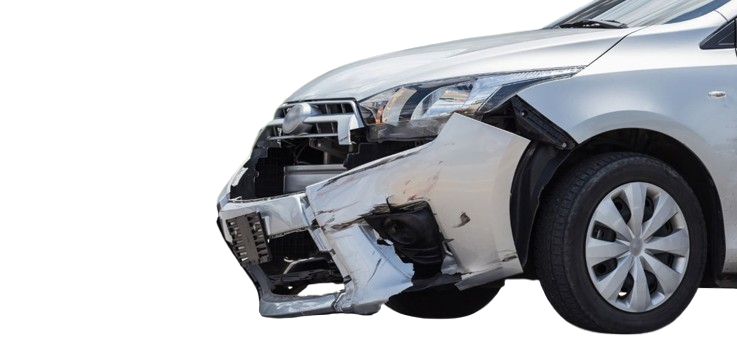
During the initial recording, we systematically document all visible features: dents, cracks, paint chips, panel gaps and scrape marks. Each position is recorded with reference photos from several angles, with scales and brief explanations of its location. We also take detailed shots of damaged components and adjacent areas to show repair access and affected assemblies. For later comparisons, we also note operating conditions such as oil traces, coolant levels and signs of possible fire or friction damage. This collection of images later allows a clear distinction between accident damage and earlier signs of use and serves all parties as a reliable visual basis for the preservation of evidence.
Technical inspection of chassis and steering
The steering, axles and suspension are checked for deformation, worn bearings and conspicuous running noises. We check tie rods, wishbones and the condition of the suspension for visible deviations and document any axle misalignment. Where possible, comparative measurements are taken to prove that tolerances have been exceeded. These findings are crucial when it comes to whether the vehicle can be driven or whether immediate repairs are needed. We also explain which workshop measurements are required for final technical clarification and what limitations exist without a vehicle lift.
Electronics and safety system check
Modern vehicles contain numerous assistance and safety systems. We check visible sensors, airbag covers, cable runs and connectors for damage. Warning messages in the cockpit are recorded and possible causes described, without pretending to replace diagnostic equipment. If there are error messages, we state which sensors and control units should be checked as a priority. Our technical assessment includes notes on whether a fault restricts further use or whether a workshop check with calibration is sufficient to restore the systems.
Assessment of previous damage and maintenance effort
Not every scratch is part of the current damage event. We separate out possible previous damage, describe signs of ageing and document typical signs of use. We then break down the expected maintenance effort by assembly and give a realistic assessment of which types of repair (replacement, repair, paintwork) make technical sense. This differentiated presentation supports you in settling claims with insurers or in deciding on deregistration, sale or repair. Find out more about our costs and prices.
Why technical precision counts when time is short
A precise technical assessment saves time and prevents wrong decisions. In a tight time frame, it is important to focus only on the relevant components and measurements so that workshop and insurance decisions do not fail because of imprecise assumptions. We concentrate on verifiable conditions and on indications that transparently meet the requirements of the other parties involved: are load-bearing elements affected? Is steerability restricted? Does the airbag function need to be checked? Our documentation sets technical priorities, names additional checks and shows safety measures that can be implemented immediately. This avoids unnecessarily expensive dismantling out of caution or repair measures being proposed that cannot be comprehensibly justified. In urban cases such as in Charlottenburg, quick and precise technical statements often have a direct influence on towing arrangements, the choice of workshop and the deadlines for reporting damage. A clear presentation promotes objective coordination between all parties involved.
Facts you can use quickly
You receive a brief technical assessment with prioritised points that can be used immediately in discussions.
Photographic chain of evidence
Every relevant area is documented photographically with scale and context.
Specific inspection notes
In addition to the findings, we name specific measurements and workshop checks that are necessary for final technical clarification.
Clear prioritisation
The assessment names which damage requires immediate action and which can be checked later.
Typical situations in which a quick assessment helps
In Charlottenburg, situations repeatedly arise in which time and coordination are tight: an accident at a busy junction, parking damage with witnesses or the deadline for presenting the vehicle to the leasing company is running. In such cases, it is crucial that technical statements remain usable and are not mere assumptions. We help when you need to know whether the vehicle can be released for driving, which parts need to be secured immediately or whether towing with a loading platform is necessary. Even if different parties give contradictory information, we prepare a structured overview of the verifiable facts and show which missing documents or data are still delaying the decision. If repairs are delayed for a longer period, we also describe the consequences for safety and the possible deterioration of components so that you can communicate the urgency on a sound basis. The purpose is always the same: less speculation, more reliable technical facts for quick coordination.

Focus on measurable and visible findings
Technical assessments based on specific measurements and describable conditions are sufficiently usable for workshops and insurers. That is why we prioritise what can be documented rather than speculative attributions of cause.
Inspection notes instead of repair specifications
We do not give the workshop work instructions but show which checks are necessary to determine the actual repair requirement technically. This prevents premature interventions.
Our technical perspective – briefly explained: why we rely on technical clarity
Fast transmission of findings for coordination
Our results are worded so that they can be used directly in negotiations with insurers, workshops and fleet management. Short, concise and technically reliable.
Neutrality in the technical sense
For us, neutrality means no legal judgements and no repair recommendations without basic data, but an objective presentation of the technical situation.
Process: we work in a targeted and concise way
Our process is designed for fast, clear results. Every step provides tangible information for the next decisions.
Initial visual recording and prioritisation
On site, we systematically record all visible damage and classify it according to safety relevance. Points documented immediately are given priority markings for immediate action or further checks.
Supplementary data collection
We collect existing documents: vehicle papers, service history, handover protocols and available images. We clearly name any missing key documents so that you know what still needs to be submitted.
Technical assessment and inspection recommendations
Based on the findings, we state precisely which measurements and workshop checks are required. The recommendations distinguish between urgent interventions and later checks.
Report handover with clear wording
The final report summarises findings, photos and inspection notes. It is designed so that insurers and workshops can immediately understand the technical points and incorporate them into their decisions.
FAQ – Frequently Asked Questions
Here you will find precise information on which documents, photos and observations are particularly helpful for a quick technical assessment. Each answer is practical and designed to be useful in discussions.
Which papers should I have ready for the appointment so that the inspection can start quickly?
Bring all documents relevant to the vehicle: registration certificate Part I and Part II, the latest service and repair records and handover or purchase contracts, if available. For leased or rental vehicles, handover protocols and term agreements are helpful. If there are photos of the condition before the incident, please present these as well. Such documents allow a faster distinction between existing previous damage and new damage as well as a better assessment of the maintenance effort.
Which shots are particularly important for the photographic documentation?
Take photos from several perspectives: an overall view of the sides of the vehicle, close-ups of damage with a scale, shots of the tyres, chassis areas, underbody (if possible) and interior if airbags have been deployed or safety-relevant components are affected. Additional detailed images of type plates, the VIN and the engine compartment help to identify the spare parts. Well-documented photos reduce follow-up questions and speed up the technical assessment.
How do you distinguish previous damage from a current incident during the inspection?
We check material age, traces of corrosion, paint overlaps and typical signs of use to identify previous damage. Differences in layer thickness, painted-over areas or matched rivet points provide clues. Existing invoices or photos from before the incident also help with the distinction. The aim is to provide technical criteria for the distinction, not a legal attribution of fault.
Which information is relevant if repairs have already been carried out?
Document the type and scope of the work carried out, invoices and spare parts used. We assess whether the repair has properly restored the original function and whether there could still be hidden damage. If documentation is missing, we check the visible seams, joints and fixings for signs of subsequent work.
What do I need to provide for the assessment of road safety?
Describe any restrictions in driving behaviour, unusual noises, braking behaviour and warning lights in the cockpit. If the vehicle was still driven, state the speed, steering responses and braking responses. Such information combined with our visual inspections helps to assess whether the vehicle is immediately roadworthy or whether further driving should be avoided.
How are measurements and technical findings presented in the report?
The report contains precise descriptions of the findings, photographic evidence and, if recorded, measurements stating the measuring method. It distinguishes between observable conditions and recommended workshop checks. In this way, the technical statements are comprehensible and suitable as a basis for technical decisions or claim settlements.
What role do error messages and electronic displays play in the report?
Error messages are recorded and technically classified with regard to their possible causes. We state which sensors or control units should be checked as a priority and whether the message affects roadworthiness. Without comprehensive diagnostic equipment, we avoid definitive electronic repair diagnoses, but provide targeted information for professional follow-up checks.
Prepare your next decision – with technical clarity
When time pressure and several contacts come together in Charlottenburg, you need quick technical guidance that makes all further steps easier. We provide a focused assessment, photographic evidence and specific inspection notes so that the workshop and insurer are not left in the dark. Make an appointment and bring your vehicle papers and any photos you have – this way we minimise follow-up questions and speed up coordination. Our reports are practical and structured so that you can use them directly when communicating with third parties.