
Car Appraiser Berlin Grunewald — Neutral Assessment Based on Individual Features
Expert inspection with traceable documentation
When assessing a vehicle, precise observations count for more than general judgements. In Grunewald, we explain at every inspection which components, measurements and visible traces are relevant to the result. Instead of simply writing “in need of repair”, we break the findings down into individual points: bodywork, paint, chassis, interior, electrics, visibility of safety equipment and documented previous and follow-up work. We support every statement with photos and, where necessary, simple measurements or notes on materials. This gives you a traceable report that does not just state a total, but discloses the basis on which a decision can be made. This saves later queries and helps to present the condition of the vehicle clearly to third parties. Whether in Grunewald or the surrounding area: as an independent car appraiser for Berlin and Brandenburg, we can be with you quickly.
Grunewald

Precision instead of blanket judgements
In a technical survey, the precise determination of individual features is crucial to the evidential value of the report. In Grunewald, we examine vehicles in such a way that recognisable damage, its location, its cause and its visible extent are documented separately. This includes details of the affected body areas, the depth of paint damage, the function of driver assistance systems, the condition of brakes and tyres and the integrity of airbags and seat belt pretensioners. Relevant documents such as the service booklet, repair invoices and previous findings are critically checked for consistency and, where possible, compared with the current findings. Photos are taken so that scales, perspectives and comparison views allow traceability later on. This approach makes it easier for you to answer technical questions, obtain a realistic assessment for repairs or present the vehicle properly to third parties.
The results you receive
The reports are structured so that you can immediately see the basis of every assessment. We focus on visible and measurable information and traceable photo documentation.
Detailed description of findings
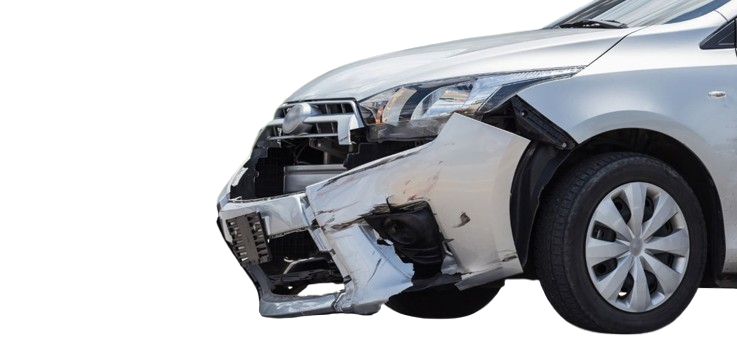
Each item of damage is named individually, located and described in terms of its characteristics. This includes statements on the type of damage (e.g. dent, crack, corrosion), its size, its depth and recognisable signs of earlier work. If necessary, we refer to typical causes and suggest simple checks for further clarification. This breakdown makes it easier to compare the result with cost estimates or technical reports from other service providers.
Photographic traceability
Photographs are key evidence: detailed shots, overview views and comparison photos around the damaged area allow later classification. We pay attention to scales or reference sizes, high-contrast exposure and multiple perspectives, so that descriptions such as ‘scratch on the left wing edge, approx. 12 cm’ remain understandable for third parties. Good photos reduce room for interpretation and help with coordination with insurers or garages.
Assessment of technical functional status
In addition to visual findings, we assess the visible function of safety-relevant components: lights, brakes, steering elements, tyre tread and control displays. If tests such as braking distance measurement, track rod checks or electronic diagnostics are required, we document the indications and the recommended scope of testing. The report clearly states which statements were made purely visually and where additional measurements are necessary.
Comparison with previous findings and repairs
If documents such as invoices, garage reports or previous appraisals are available, we collect and check them in connection with the current findings. Comparison means: which repairs were carried out, which parts were replaced, and do the descriptions match the visible workmanship? This results in a better assessment of possible consequential damage or the quality of previous work.
Why transparent individual features matter
The decision as to whether a repair is necessary or diminished value is justified is rarely based on a single impression. In Grunewald it often turns out that apparently small deviations can have several causes: corrosion, earlier repairs or material fatigue. A report that separates the individual features and briefly justifies each one enables you to follow how the findings are weighted for your specific question. For buyers, this is important for identifying hidden defects; for sellers, to have justified objections to excessive demands; for claim settlement, to allocate cost items properly. Transparency also creates a reliable basis for technical decisions, such as which checks make sense before the vehicle is passed on.
Traceable description of causes
You receive not just the finding of a defect, but a brief explanation of how it may have arisen and an indication of whether further technical clarification is needed.
Clear photo references
Every important feature is photographed from at least two perspectives and annotated, so that the visual impression matches the written findings.
Clear distinction between measured and visual findings
The report clearly marks which statements are based on a visual inspection alone and where additional measurements are advisable.
Document check included
Available service and repair documents are reviewed and compared with the current condition in order to identify inconsistencies or open questions.
When a detailed analysis of individual features makes sense
A differentiated view is particularly helpful when there is uncertainty about previous ownership, repairs carried out or possible consequential damage. In Grunewald, vehicle owners often come with partial information, for example just one invoice or a limited previous finding. In such cases, the systematic recording of individual features reduces the risk of overlooking important evidence. With older vehicles or after more extensive work, the method also helps to distinguish between cosmetic defects and safety-relevant faults. Finally, a precise breakdown of the findings creates the basis for economically sensible decisions — whether a repair is worthwhile, what scope would be required and what alternatives exist. We are also available in the neighbouring districts of Wilmersdorf and Schmargendorf.

Unambiguous use of terms
We use consistent terms for damage and conditions so that descriptions remain comparable across different reports. Each term is briefly explained if it has a technical meaning.
Prioritisation by safety relevance
Safety-relevant findings are given priority in the presentation. This means you know immediately which points require prompt action and which are cosmetic.
Why we prepare reports this way: criteria we apply to every assessment
Separating facts and interpretation
The report clearly distinguishes between observed facts, possible causes and assessments that contain a recommendation for action. This allows third parties to check facts without anticipating interpretations.
Information on testing requirements
Where measurements or special tests make sense, we state specifically which tests should be carried out and for what purpose.
How the examination is structured
The process aims to answer your questions efficiently and to increase the evidential value of the report by clearly separating findings and assessment.
Enquiry and review of documents
You send us the documents you have. We check them in advance for gaps and prepare targeted questions to make the on-site appointment efficient.
Systematic visual inspection
During the inspection, components are worked through systematically and all relevant features are recorded in writing. Particular attention is paid to safety-relevant parts.
Grunewald: presenting connections clearly
All relevant areas are photographed from several perspectives, given scale references or reference sizes and allocated accordingly.
Comparison with documents and short assessment
The visible findings are compared with the invoices and reports provided. We mark where there is agreement and where questions remain open.
FAQ – Frequently Asked Questions
Answers to specific points that often come up before, during or after an inspection. The information is factual and describes processes and typical expectations.
Which documents should you have ready before the appointment?
Bring all available documents: service booklet, maintenance and repair invoices, previous appraisals, TÜV inspection reports and the registration certificate. These documents allow a comparison with the current findings and help to identify gaps in earlier work. If documents are missing, we note this in the report so that the evidential value of individual points remains transparent.
How detailed are the descriptions of scratches, dents and paint damage?
Each visible item of damage is described in terms of location, extent and type. Details such as ‘depth, measured length in centimetres, affected layers (e.g. clear coat, primer)’ are used where they help with classification. This creates a precise basis that allows later comparison with repair quotes or diminished value.
Which photos are particularly meaningful?
Overview shots, detail photos with a reference point and comparison images showing the damage in relation to the vehicle are meaningful. We ensure that important areas are photographed with measuring or comparison objects so that third parties can reliably estimate size and position.
How do I deal with previous damage or older repairs?
Existing previous damage is documented separately and clearly marked in the report. If repairs are visible, their workmanship is described and possible follow-up problems are pointed out. This makes it clear which defects are new and which were already present.
What significance does the repair condition have for the assessment?
The current repair condition influences both the technical assessment and any diminished value. We describe whether repairs appear to have been carried out professionally or whether there are signs of poor workmanship, and state where further checks are advisable.
How is safety of use assessed?
We assess safety of use primarily on the basis of visible and easily checked criteria such as tyre tread, brake components, lighting and visible damage to load-bearing parts. If there are signs of structural impairment, we recommend targeted measurements or an inspection at a specialist garage.
How do you receive the result, and in what form?
You receive a written report with descriptions of the findings, numbered photos and a short assessment of the most important points. The report clearly indicates which statements are based on a visual inspection and which also need to be checked technically. On request, we can summarise key points in the report for purposes such as a sale or a damage claim.
If you would like an objective, feature-based assessment
In Grunewald we offer reports that focus on traceable individual observations. If you need clear documentation for a sale, a purchase decision or the clarification of damage, arrange an appointment. We discuss in advance which documents are useful and which points we will pay particular attention to during the inspection. This gives you a transparent result that serves as an objective basis for decisions and keeps later discussions factual.