
Car Appraiser Berlin Kaulsdorf — Complete Condition Documentation for Handovers
Careful vehicle recording for reliable evidence
For handovers, fleet changes or later queries, complete proof of the vehicle’s condition is what counts. Our documentation is designed to record all relevant condition features in such a way that they remain clearly interpretable in handover processes, in insurance or liability matters and in internal reviews. In Kaulsdorf we follow a structured approach: visible body areas, suspension and underbody, interior, electronics and operating and service documents are specifically inspected. Every abnormality is provided with annotated photos, dimensions and a plausibility description. The result is reports that are not just lists of defects but traceable evidence with dates and location details. You also receive advice on which documents you should provide in addition and which decisions should be made early on at handover. Our aim is a result that reduces later interpretations and simplifies the further process. We are also there for you in the neighbouring districts of Mahlsdorf and Hellersdorf. Kaulsdorf is part of our regular service area as a car appraiser in Berlin and Brandenburg.
District

Why complete condition records are important
Complete recording of the vehicle’s condition avoids misunderstandings at handovers and protects against later points of dispute. In Kaulsdorf we often come across cases in which unclear descriptions, missing photos or incomplete service documents led to lengthy clarifications. Our reports therefore place particular emphasis on links: every damage found is described specifically, with its exact location, the likelihood of how it arose (e.g. signs of use versus fresh damage) and photographic documentation from several perspectives. We also note which original papers are available, which inspection certificates are missing and whether repair attempts have already been made. This shows which findings have been secured on site and which open points require further investigation. For you this means less room for interpretation, quicker decisions about repair, return or further use, and a traceable basis for discussions with third parties.
The records and evidence we produce
The following selection shows typical documentation modules that are particularly relevant for handovers and later queries. Each module is recorded as a self-contained unit and provided with images and notes on further use.
Visual recording of findings outside and inside
During the external inspection, we systematically record body sides, bumpers, doors, paint condition, windows and headlights from standardised positions. The interior is documented with regard to upholstery condition, seat belts, airbags, dashboard and any odours. Each photo is given a labelled reference (e.g. front left, outer edge of door) so that image and text can be matched without ambiguity. We also note paint thickness readings at relevant points and deviations in panel gaps that may indicate earlier repairs. These data help to distinguish damage later and support objective discussions about condition and responsibilities.
Short technical check and proof of function
We check key functions such as brakes, steering, lighting, heating/air conditioning, on-board electronics and the starter and charging system. Faults found are classified according to severity and their immediate effect on operational safety. Switch positions, warning lights, fault memory entries and visible leaks are recorded. For electronic problems, we document error messages and recommend sensible next steps. This sample-based technical check serves to gain a quick picture of usability and to avoid later discussions about roadworthiness or hidden defects.
Photo series with context and dimensions
Meaningful photo documentation includes overview shots, detail photos and close-ups with a measurement reference. We place markers or scales at relevant points so that scratches or dents can be assessed objectively. Each image file is accompanied by a descriptive text that briefly summarises the type of abnormality, its position and possible causes. This collection of images is structured so that it remains understandable even for third parties without prior knowledge and serves as a reliable visual basis for later assessments.
Document check and notes on history
We review existing service books, inspection reports, invoices and MOT (HU) certificates and note the dates of significant work. We record which documents are missing or unclear and whether there are indications of improper repairs. We also advise which evidence would be particularly meaningful for later clarification, such as invoices for body shop work or receipts for parts. This overview of documents makes it easier for you to decide which documents you should add or copy.
What complete documentation makes possible in practice
With a systematic condition record, you reduce future uncertainty and create a clear basis for decisions. In Kaulsdorf, such reports can help to shorten complaint procedures and clarify responsibilities because they not only list defects but also provide context: timing, location on the vehicle, assessment of the cause and photographic evidence. We also state which findings require immediate action (for example safety-relevant brake leaks) and which can be classified as normal signs of use. The report thus serves as a working basis for workshops, administrations or owners planning subsequent steps. For handovers, it creates a common factual basis that significantly limits later queries.
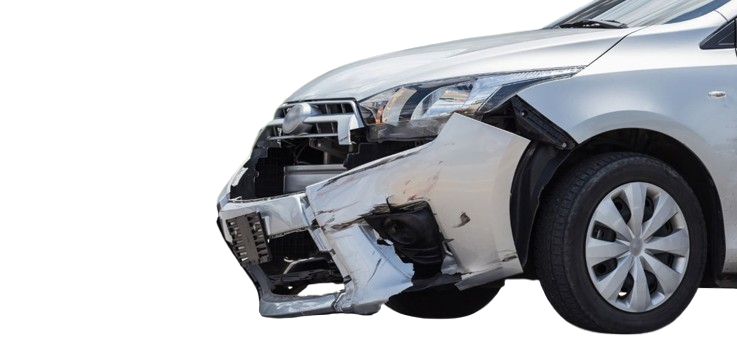
A reliable record of condition
You receive traceable documentation that links positions, descriptions and photo evidence.
Confidence in decisions on site
By classifying findings according to urgency, you can see immediately which points are safety-relevant and which can be checked later.
Documents as a basis for communication
The report provides a common set of facts for discussions with workshops, buyers or insurers.
Concise traceability
Every finding has a location, date and comment so that third parties can check the assessment retrospectively.
Typical situations for our documentation
There are several situations in which a well-founded condition record is particularly helpful. In Kaulsdorf it is often used for vehicle handovers between private individuals or companies, for lease returns, for transfers within fleets and before workshop orders. A record is also worthwhile before storage or longer periods off the road so that later wear remains traceable. Our approach is always designed to secure the relevant evidence in such a way that later questions can be answered in a targeted manner: photos with location labels, functional tests and a list of missing documents are fixed components. The result is reports that can be used reliably both by other parties and for internal processes.

Structured data sets
We deliver reports in clearly structured sections: external condition, technical proof of function, photo appendix and document overview. This structure makes immediate use by third parties easier and reduces queries.
Linking images and text
Photos never stand alone: each image comes with a precise text description including its position and a brief assessment of the possible cause. This preserves its significance over a long period.
What sets our documentation apart: key features of how we prepare findings
Pragmatic advice for action
In addition to describing the condition, we give clear advice on which measures are required in the short term and which documents should be provided for further protection. The aim is always for the record to be easy to use further.
Kaulsdorf: putting the vehicle history in context
We stick to descriptive wording and avoid judgemental statements. This keeps the report usable as a fact-based foundation without anticipating any interpretation.
How the recording works — step by step
Our working method follows a fixed procedure so that every report is complete and traceable. The steps are designed so that you know in advance which documents and access are required on site.
Enquiry and brief preliminary clarification
We clarify by phone or email what kind of handover is planned, which documents are available and whether there are any particular areas (e.g. accident areas). This information determines the scope of the on-site recording.
Systematic walk-round and photo record
On site, a standardised walk-round takes place: exterior photos from fixed angles, detail photos, interior images and a visual inspection of technical components. Each photo is labelled and assigned a finding number.
Short check of technical functions
We carry out targeted function checks, document warning lights and fault memory entries and check visible operating states. Results are classified by urgency and commented on.
Kaulsdorf: comparing vehicle conditions objectively
You receive a structured report with a photo appendix, document overview and advice for action. On request, we explain the key results in a short handover meeting so that the next steps are clear.
FAQ – Frequently Asked Questions
Below you will find answers to frequently asked questions about documents, photo documentation, previous damage, repair status, valuation, safety, handover of results, preparing for the appointment and technical classification.
Which documents should you have ready before we come for the inspection?
Have any existing service books, invoices for major repairs, MOT (HU) certificates and earlier reports ready. Partial or fully comprehensive insurance contracts and handover reports are also useful. If papers are missing, we note this in the report and recommend specific evidence, such as invoices for body parts or receipts for retrofitted components. These documents help to date repairs and to prove reduced remaining usability.
Which details are documented when recording findings?
We record the location and type of damage, paint thickness, panel gaps, material fractures, scratch marks, crack edges as well as corrosion and visible leaks. We also document interior damage, wear on seat belts, airbag indicators and electrical malfunctions. For each observation, we note the date, exact position and a brief assessment of whether it is fresh or older damage.
How extensive are the photos and how are they labelled?
The photos include overviews, medium shots and close-ups with a measurement reference where necessary. Each file bears an identifier with the date, position on the vehicle and finding number. We also provide descriptive captions containing the type of finding and a brief assessment. This makes it clear which photo belongs to which finding and in what context it was taken.
How do you deal with existing previous damage?
Existing previous damage is registered separately from the current findings and, where possible, dated. We note indications of earlier repairs such as irregular panel gaps or different paint thicknesses, as well as any existing receipts. The documentation separates safety-relevant defects from mere signs of use so that you can later clearly distinguish which damage already existed before handover.
How do the results help with determining value or valuation?
Our documentation provides a factual basis for value estimates by showing the extent and severity of damage, repair requirements and state of preservation in a traceable way. We do not give a legal assessment, but compile the data so that appraisers, dealers or buyers can make their own assessment on the basis of the findings. The clear photo evidence and dates reduce the room for interpretation.
What information on safe use is given in the reports?
Safety-relevant abnormalities such as brake leaks, significant suspension damage, defective lighting or badly damaged seat belts are highlighted in the report and accompanied by recommendations for action. We state the immediate urgency (immediate repair required or monitoring recommended) and briefly explain the possible effect on road safety.
How do you hand over the result and which formats are available?
You receive the report electronically as a structured PDF and, on request, the photo collection as an organised ZIP archive. The report contains a table of contents, photo references, overviews of findings and a list of documents. On request, we explain the key points in a short phone call or on site to clarify any unclear points immediately.
Ready for reliable handover documentation?
If you want a clear, traceable and fully documented condition record, we support you in Kaulsdorf with structured reports and tailored photo documentation. Please have existing service documents and any known findings ready; we take care of the professional recording on site and turn the results into an understandable report. This gives you an objective basis for handovers, repair decisions or internal processes that minimises later queries and speeds up the further process.