
Car Appraiser Berlin Adlershof: Evidence Preservation for Parking and Manoeuvring Damage
Careful documentation as the basis for clear decisions
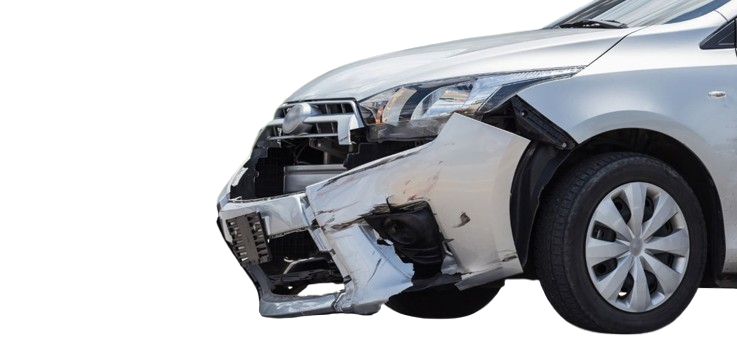
Confusing parking and manoeuvring damage requires structured evidence preservation, because subsequent changes to the condition make it harder to determine the cause. As a first response, it is crucial to record visible traces systematically: paint abrasion, deformation contours, fractures and adjacent vehicle parts indicate the direction of impact and the path of the force. Equally important are environmental factors such as parking bay markings, barriers, road gradient and contamination on the ground, because they influence the vehicle’s pattern of movement. In Adlershof, angled parking bays and tight manoeuvring areas can make interpretation more difficult; we therefore document positional relationships with measurements and reference points. Photographs follow a fixed scheme: wide-angle overviews, medium perspectives for context and close-up shots of fractures or paint damage. We also note measurements, measuring device settings and the time the findings were recorded, because such metadata later become valuable as evidence. If you prepare the situation in this way, you support a meaningful technical assessment that clearly separates cause, consequential damage and the possible depth of repair. As a car appraiser for Berlin & Brandenburg, we also come to you in Adlershof free of charge.
District: Adlershof

Targeted case recording after an unclear parking incident
With confusing parking or manoeuvring damage, the chronological structure of the recording of findings is decisive for a reliable assessment. First, secure the scene: the vehicle’s position, direction of travel and immediate obstacles are the basic information. This is followed by systematic series of photos that not only show the damage but also document the distance to the kerb, markings and relevant obstacles. If available, note witness statements, including the time and visible actions; these statements correlate with physical traces and help to close gaps in the reconstruction. Bring existing vehicle documents with you: earlier appraisals, repair history and photos of previous damage are necessary because they make it possible to distinguish between old and new damage. In Adlershof, narrow entrances and exits are often a factor; we therefore measure distances to fixed elements and draw up sketches with dimensions. Our reports set out causal relationships: from the first contact and the distribution of pressure to the resulting deformation, so that you can understand which impact caused which damage. This structured approach minimises room for interpretation and creates a reliable basis for technical assessments or the settlement of damage claims.
Technical analyses and documentary measures
Our work concentrates on what really counts with confusing parking damage: reliable data collection, technical clarification of the cause and traceable documentation. We separate visible consequential damage from initial damage and produce an expert account of the course of events based on physical characteristics.
Photographic technique and metrological documentation
Precise photos alone are not enough. We take overview shots of the overall situation, perspective-calibrated shots for taking measurements and macro shots of paint damage and fractures. Each image is given a reference with distance values and measuring device data, because this is the only way to keep later analyses reliable. In Adlershof we also prepare site plans with relative coordinates so that the parking position, obstacles and possible directions of impact can be linked in a traceable way.
Structural analysis of deformations and fracture patterns
Deformation lines and fracture edges provide information about the direction of force and the point of load. We examine sheet metal kinks, opened seams and material abrasion to draw conclusions about the energy input. This analysis separates primary impact points from secondary contact points, because repair work often creates secondary effects. Our evaluation shows the logical sequence from the application of force to the visible damage, so that technical and economic assessments are based on facts.
Comparison with existing documents and check for previous damage
A complete report takes into account earlier damage and repairs carried out. We compare current findings with the service history, images and earlier appraisals, because this is the only way to reliably distinguish between previous and new damage. When an accident is reconstructed, we document differences in paint structure, filler patterns and component joints in order to clearly identify repair requirements and possible safety implications.
Safety relevance and roadworthiness
Not every cosmetic damage affects road safety. We assess stresses on load-bearing parts, chassis components and safety-relevant assemblies separately from purely cosmetic defects. Based on the findings, we give an assessment of whether the vehicle can continue to be used or whether safety measures are needed, because undetected damage increases the risk of accidents and hidden defects can later cause high follow-up costs.
Why detailed evidence documentation makes the difference
Complete documentation reduces room for interpretation because it ties physical causes to measurable characteristics. With confusing manoeuvring or parking damage in Adlershof, individual traces are often ambiguous; reliable measurements, photos with dimensional references and a traceable sketch, on the other hand, create clarity. This has two practical effects: you can clearly distinguish previous damage and determine the necessary depth of repair appropriately. In addition, precise findings can increase the likelihood of successful claim settlement, because reports, photos and measurement records show traceably how damage occurred. The better the data basis, the lower the uncertainty in technical and economic decisions.
Better assessment of the scope of repair
By clearly separating primary and secondary damage, you can see which components really need to be replaced and which can be repaired superficially.
An improved basis for settling the damage
A structured report provides the factual basis for discussions with insurers or other vehicle owners involved, because it sets out cause and effect and thus enables statements that can be discussed.
Faster assessment of road safety
If load-bearing structures are affected, we specify the necessary safety measures.
An economic basis for decisions
Our documentation shows what is relevant for the repair and helps to check whether quotes are necessary, so that expensive, unnecessary work can be avoided.
When fast, clear evidence is needed
Meaningful evidence preservation begins immediately after the damage is discovered, because traces change as a result of weather, cleaning or movement of the vehicle. In Adlershof, tight parking areas and changing light conditions are typical influencing factors; prompt overview shots and true-to-scale sketches are therefore important. Bring any existing documents with you: earlier photos, garage receipts and vehicle data make it easier to distinguish between previous and new damage. If there are witnesses, note their contact details and the sequence of their observations. We also recommend not moving the vehicles involved while the situation is being documented, as changes in position make reconstruction more difficult. A quick technical review reduces later clarification effort and prevents loss of information that could lead to inaccurate assessments.

Analysis based on physical criteria
We work with traceable physical principles: force vectors, energy input and material reactions form the basis of our conclusions. This approach reduces subjective interpretation and makes results verifiable.
Documentation with evidential value
Every image of the findings and every measurement is given metadata: time, measuring device and measuring conditions. This evidence remains traceable later and reduces room for dispute.
What you can specifically expect from the inspection: consistent technical diagnostics instead of general estimates
Clear separation of causes and consequences
We distinguish primary contact points from secondary deformations and clearly state which damage was caused directly by the incident. This makes economic and technical decisions more transparent.
Adlershof: consistently organising the evidence
In addition to cost issues, we check safety-relevant components separately and specify measures that need to be implemented at short notice to avoid risks.
How the technical recording of unclear parking damage works
The procedure follows clear steps, because systematic documentation supports later interpretation. Each step provides verifiable data, which we combine in a coherent report.
Initial recording and overview of the context
We start with wide-angle photographs and a written description of the situation. The position of vehicles, directions of travel and fixed boundaries are noted, because initial hypotheses about contact points are derived from them.
Detailed documentation and measurement
This is followed by perspective-calibrated close-ups and precise distance measurements. Measurement data are documented with the type and setting of the measuring device so that later analyses are reproducible.
Technical examination and material findings
We check deformation patterns, fracture geometries and paint layers. Material abrasion, scratch marks and sheet metal deformation provide information about the direction and strength of the energy and justify technical conclusions.
Consolidation and preparation of the report
Finally, we summarise findings, measurement records and witness statements. The report sets out causal relationships and contains recommendations on the scope of repair and possible safety measures.
FAQ – Frequently Asked Questions
The following answers explain which documents, observations and information support the technical clarification after parking or manoeuvring damage. The answers are factual and based on typical cases in urban parking environments.
Which photos are particularly useful before the vehicle is moved?
First take overview shots showing the car park surroundings, direction of travel and position of the vehicle. Add medium shots documenting the relationship to obstacles, and finish with detailed photos of the damaged areas. Reference points such as the kerb, parking markings or bollards are also important, as they later serve as a dimensional reference. Take photos from different angles so that the direction of impact and drift can be assessed. Note the time and lighting conditions, because shadows influence the evaluation.
Which vehicle documents should I bring to the appointment?
Bring service booklets, earlier repair invoices and any photos of earlier damage, because these documents help to identify previous damage. The registration certificate Part I with technical data is useful for component references. If an earlier appraisal exists, it supplements the basis for comparison, because differences in paint build-up or repair marks are easier to recognise. Any documentation of the vehicle’s history reduces uncertainty when determining the cause.
Which indications separate old and new damage when preserving evidence after confusing parking or manoeuvring damage in Adlershof?
We systematically check signs of ageing, paint thickness and filler patterns to distinguish previous damage from new impacts. Comparing overview and close-up shots makes differences in corrosion, paint layers and welding seams visible. If previous findings are clear, we separate them in a dedicated section of the report so that only the genuinely new damage is relevant for cost estimates and technical assessments.
Which information from witnesses is useful for the technical reconstruction?
Times, observed vehicle movements and the positions of the vehicles involved are particularly valuable. Descriptions of warning lights, unusual noises or visible moments of contact provide clues as to the direction of force and the time. We document witness statements in writing and check them against physical traces; consistent statements increase the evidential value, while contradictory information indicates uncertain observations.
How do you distinguish cosmetic damage from safety-relevant defects?
Cosmetic damage affects paint and non-load-bearing panels, while safety-relevant defects affect load-bearing structures, chassis parts or mountings. We examine mounting points, longitudinal and cross members and suspension for deformation and cracking. If there are changes in these areas, we assess their functionality and give instructions for action, because hidden damage can impair driving safety.
How do repairs already carried out affect the outcome of the report?
Repairs that have already begun change the findings and can cover up traces of the cause. We document the repair status in detail and distinguish visible interventions from the original damage. If repairs have already been started, we use other indicators such as structural deformations or positioning marks to reconstruct the original damage situation as well as possible. Every undocumented change increases uncertainty, which we state transparently in the report.
What can I expect when the results are handed over?
You receive a written report with photos of the findings, measurement records and a technical conclusion on the cause of the damage, as well as recommendations on the scope of repair and safety relevance. We explain the evidence causally so that you can understand which observations led to which conclusion. Supplementary data such as raw images or sketches are provided on request, so that the basis for decisions is complete.
Arriving well prepared for evidence preservation
If you report unclear parking or manoeuvring damage in Adlershof, targeted preparation is useful: collect any existing photos, briefly note positions and times, and have your vehicle registration certificate and garage documents ready. If possible, avoid cleaning or moving the vehicle until documentary photos have been taken. With this information, the technical reconstruction can be carried out more efficiently and meaningfully. We summarise the data collected in a clearly structured report that can be used for technical decisions and further clarification of the damage. Our assessors can also be on site quickly in neighbouring districts such as Altglienicke and Köpenick.