
Car Appraiser Berlin Biesdorf – Value and Condition Report Before a Private Sale
Expert support for reliable vehicle valuations near you
If you want to sell, hand over or buy a vehicle in Biesdorf, a structured condition report often decides price negotiations and trust. We do not just describe visual defects but carry out a systematic inspection according to specific categories: bodywork condition with pinpoint accuracy, degree of corrosion on load-bearing components, brake and tyre inspection including tread depths, functional testing of electrical systems, document check (service and repair history) and visible signs of accidents and repairs. For private transactions it matters which findings the buyer receives in writing, which photos are useful and which statements are recorded bindingly in the handover report. In Biesdorf, a clearly structured report helps to avoid misunderstandings: you receive a traceable sequence of the areas inspected, advice on the photos required with a description of each subject, and recommendations on whether minor defects should be fixed before the sale or disclosed openly. The result is value-oriented documentation that strengthens price arguments and reduces later points of dispute. You can also read about how we work as a car appraiser in Berlin & Brandenburg on our home page.
Appraisal service in the district

What a value-oriented condition report achieves for private sales
Before a private sale in Biesdorf, it is important not only to name symptoms but to explain the influence of each finding on the market value. A professional condition report is divided into inspection categories: external damage (dents, scratches, paint finish), structural and chassis member checks (visual inspection for deformations, panel gaps), underbody and cavity inspection (corrosion assessment), drivetrain and suspension test (running behaviour, oil traces, damper performance), braking system (pad condition, disc damage), electrics/electronics (control unit faults, comfort functions), tyres/rims (wear, damage) and documentation (service book, invoices, MOT (HU) reports). For buyers and sellers it is also decisive which documents you bring to the appointment: service records, repair invoices, accident reports, the number of keys and MOT (HU) reports reliably provide context. For photo documentation, we recommend a combination of overview shots (whole vehicle, side views), detail photos (damaged areas with a dimensional reference) and evidence photos (odometer reading, VIN and registration document). In Biesdorf, such a valuation means not just a set of figures but an understandable explanation of which defects are relevant to market value and which typical age-related changes are to be expected in a private sale.
Specific inspection services for sale, handover and purchase
Our work is divided into inspection modules geared to the needs of private transactions. Each service ends with a clearly readable description of the findings, photo evidence and an assessment of the effect on value.
Complete visual and document inspection
We inspect the vehicle inside and out as well as the documents you bring. The inspection covers bodywork and paint condition, interior trim including upholstery and panelling, completeness of the keys, presence of the service book and invoices, and a check of the vehicle identification number. We pay particular attention to documents that prove earlier repairs and MOT (HU) defects. For private sellers in Biesdorf this step is often decisive: many doubts can be removed with traceable evidence, buyers receive the transparency they need, and the later pricing is prepared objectively and reliably.
Technical checklist with proof of function
This inspection module includes targeted functional tests such as engine running at idle and under load, steering and suspension behaviour, braking behaviour with an assessment of braking effect, lighting tests and a basic diagnostic readout of stored fault codes. We document disruptive malfunctions, check recurring warning messages and rank findings by urgency. For a private purchase it is important to know whether faults need repairing immediately or are less relevant in terms of safety. In Biesdorf, this technical classification helps to formulate realistic repair cost estimates and thus to justify room for negotiation properly.
Photo documentation and handover report
Finally, we produce structured photo documentation and a written handover report listing all points inspected. The photos are labelled by location and subject, and measured values or comparison references are added. The report records visible previous damage, differing paint shades, panel gap deviations and degrees of wear, as well as notes on which defects could be fixed before the sale and which should be disclosed. Buyers and sellers receive clear wording on the condition and other dependencies, so that later disputes in private sales are reduced.
Short plausibility check before a test drive
Before a test drive, we briefly check all safety-relevant systems: brakes, steering, tyre tread, lighting and electrical warning lights. This plausibility check shows immediately whether the vehicle is roadworthy or whether a test drive is not advisable because of technical defects. For private sales in Biesdorf, this is particularly useful when buyers want to test the vehicle on site: you get a quick assessment of whether a test drive can be carried out without residual risk and which observations about driving behaviour deserve special attention.
Why a precise description of condition influences the sale price
A detailed description of condition reduces the uncertainty that often leads to price reductions in private sales. If typical signs of use are recorded systematically in Biesdorf, it is possible to distinguish clearly which findings are normal for the market and which are exceptional. Important aspects include verifiable repairs with invoices, visible panel gap deviations on load-bearing parts, degrees of corrosion on the underbody and documented electrical faults. Buyers in private negotiations react differently to technical defects and cosmetic damage; a neutral classification helps to quantify the economic consequence of each finding. What matters is not just naming a defect but classifying it in terms of the cost and time needed to remedy it. A traceable valuation strengthens the basis for discussion and reduces the risk of subsequent claims after handover.
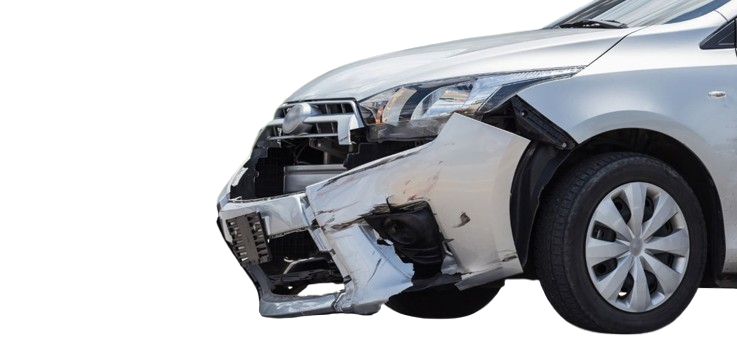
A negotiating basis with documented figures
You do not receive a mere description but a quantified assessment of defects and their influence on market value.
Identifying safety-relevant priorities
The inspection separates safety-critical findings from cosmetic defects and sets out an order for remedying them.
Clean documentation for buyers and sellers
With systematically numbered photos and a clear handover report, you avoid later conflicts of interpretation.
Time saved in preparation
A structured checklist and a preliminary check reduce the number of missing documents and unnecessary queries.
When does a condition report make sense?
A condition report is recommended immediately before you actively offer the vehicle for sale, before a planned handover or before an intended purchase. In Biesdorf, timing is decisive: a report made before you create an advert provides the basis for realistic pricing and meaningful details in the advert. At handover appointments, the report documents the condition at the time of handover, including odometer reading and number of keys. When buying, an immediate condition check protects you against surprises after the contract is signed, because hidden defects often only become visible in an extended test. If an MOT (HU) is due soon or shortly after a repair, the condition report is also helpful for spotting discrepancies between invoice details and the visible result. Plan the inspection so that subsequent repairs or queries are still possible without delaying the sale.

Findings with their effect on value
We classify each finding according to how strongly it influences market value: immediately reducing value, moderately relevant or negligible. This grading supports sellers and buyers in making economically sound decisions.
Measurement and photo evidence
Our documentation contains measurements and standardised photos that prove the condition and extent of each complaint. Subjective assessments are thus replaced by traceable evidence.
Why our classification is different: a focus on the effect on market value rather than just a list of faults
Action-oriented recommendations
For every major finding we give specific options: repair before sale, a suggested price reduction or clear disclosure wording for the handover report. This means the next step can be planned immediately.
Commercial perspective
In addition to the technical view, we take into account the usual market depreciation by age, mileage and state of preservation so that your price expectations remain realistic.
How the condition report works in practice
The process is designed for efficiency and traceability: preparation, structured recording of findings, photo documentation, discussion of results and written handover. Every step is aimed at giving you a clear basis for decisions.
Preparation and document check
You send existing documents in advance or present them at the appointment: MOT (HU) reports, service book, invoices, accident records and the number of keys. These documents allow a targeted preliminary assessment and reduce the time needed on site.
Inspection by category
On site we work through a standardised checklist: bodywork, underbody, drivetrain, suspension, brakes, tyres, electrics and interior. Each point is documented in writing and, where necessary, photographed.
Assessment of relevance to market value
For each finding, the effect on market value is assessed: an immediate loss in value, a possible repair option or simple disclosure at handover. This classification forms the basis for price discussions.
Final report with photo series
You receive a written report with a photo appendix and clear wording for adverts or handover reports. On request, we explain the results directly at the appointment.
FAQ – Frequently Asked Questions
Here you will find precise answers to questions that private sellers and private buyers often ask: which documents are needed, what photos should ideally look like, how previous damage is assessed and how to prepare for an inspection appointment.
Which documents should you have ready before an inspection appointment?
Bring all available service books, invoices for maintenance and repairs, the latest MOT (HU) report with any defects noted, insurance documents in the case of minor damage, and all keys. If there are earlier reports or damage notifications, please present these as well. Such documents provide context for visible findings, allow conclusions to be drawn about the regularity of maintenance and help to estimate repair costs realistically. If documents are missing, we note this in the report so that the assessment remains traceable.
Which types of damage should definitely be photographed?
Take overview photos of the vehicle from all sides, close-ups of every damaged area with a scale or reference, detail photos of the odometer reading, VIN and vehicle documents, and interior photos where there is wear. Before-and-after pictures of recently repaired areas and detail shots of corrosion spots on the underbody are particularly relevant. Label the photos with the date and location; this increases the usefulness of the documentation in price negotiations.
How do you deal with earlier repairs or previous damage?
Previous repairs are documented and checked on the basis of visible workmanship. We distinguish professionally performed repairs from makeshift patch-ups, check panel gaps and paint transitions and assess whether repairs represent a permanent impairment. If invoices are available, they are assigned to the finding. This classification determines whether previous damage significantly reduces the market value or is regarded as properly remedied.
What role does the repair status play in determining the value?
The repair status has a direct effect on repair cost forecasts and therefore on the price. Work carried out completely and professionally reduces the negative effect on value, while unresolved safety-relevant defects or poor-quality repairs can lead to considerable deductions. In our report, we estimate which measures are technically necessary and give a rough cost indication that you can use in price negotiations.
How is it assessed whether a defect is safety-relevant?
Safety relevance is assessed according to functionality and accident risk. Defective brakes, loose suspension parts, defective steering components, severe corrosion on load-bearing parts or permanently faulty airbag systems are considered safety-critical. Such findings are highlighted in the report together with a clear recommendation as to whether an immediate repair before handover is advisable. The assessment is technical, not legal, and provides a basis for decisions for sellers and buyers.
How do you receive the result and what form does the report take?
You receive a written report with numbered findings, photo documentation and a clear assessment of the market value relevance of each entry. The document is worded so that it can be used in adverts, price negotiations or as proof of handover. On request, we explain the most important points in person by phone or on site, so that the conclusions can be turned into action straight away.
How can I protect myself against hidden defects as a buyer?
As a buyer, you should insist on complete documentation, carry out targeted test drives, make careful visual inspections and call in an independent inspector if in doubt. Look out for unusual noises, oil or fluid residues, deviating panel gaps and inconsistent repair histories. A condition report reduces the risk of discovering hidden defects later by systematically evaluating indications that are not obvious as well.
Next steps towards a safe sale or purchase decision
If you want to sell, hand over or buy a vehicle in Biesdorf, establish clear facts before negotiations begin. A structured condition report gives you robust arguments, traceable photo documentation and practical recommendations on repairs or disclosures. This way you avoid unexpected claims after handover and can derive price expectations objectively. Arrange a consultation to clarify which documents are useful and how much preparation is necessary in your case. On the basis of the condition report, you can then decide on the facts whether repairs should be carried out before the sale or disclosed openly. We also attend similar appointments in Marzahn and Hellersdorf.