Car Appraiser Berlin Schöneberg – Clear Documentation of Defects and Vehicle Handovers
Objective findings for transparent vehicle handovers
When returning or handing over a vehicle, or whenever you need to communicate defects objectively, early and structured documentation often decides whether a fair solution is reached. In Schöneberg, it is not only about identifying the damage but about how it is evidenced, classified and communicated. As a car appraiser in Berlin Tempelhof, we are also available to you with efficient inspection logistics. We explain which photos are useful (detail shots, overall view, position reference), which documents help (service book, invoices, inspection reports), how to distinguish previous damage from new damage and which notes you should make immediately at the handover location. You receive clear guidance on how measurements (e.g. paint thickness, panel gaps) and condition descriptions should be recorded so that third parties can follow the findings. The aim is that later discussions with leasing companies, buyers or workshops can take place on an objective, documented basis. This reduces uncertainty, saves time and makes decisions about the next steps easier. Between the Akazienkiez, Hauptstraße and the Bavarian Quarter, parking in Schöneberg is tight, and scratches and dents often come to light when rental or leased cars are handed over. As a car appraiser in Berlin Schöneberg, we prepare a neutral report for this. Read more about us as a car appraiser for Berlin & Brandenburg on the home page.
Location: Schöneberg
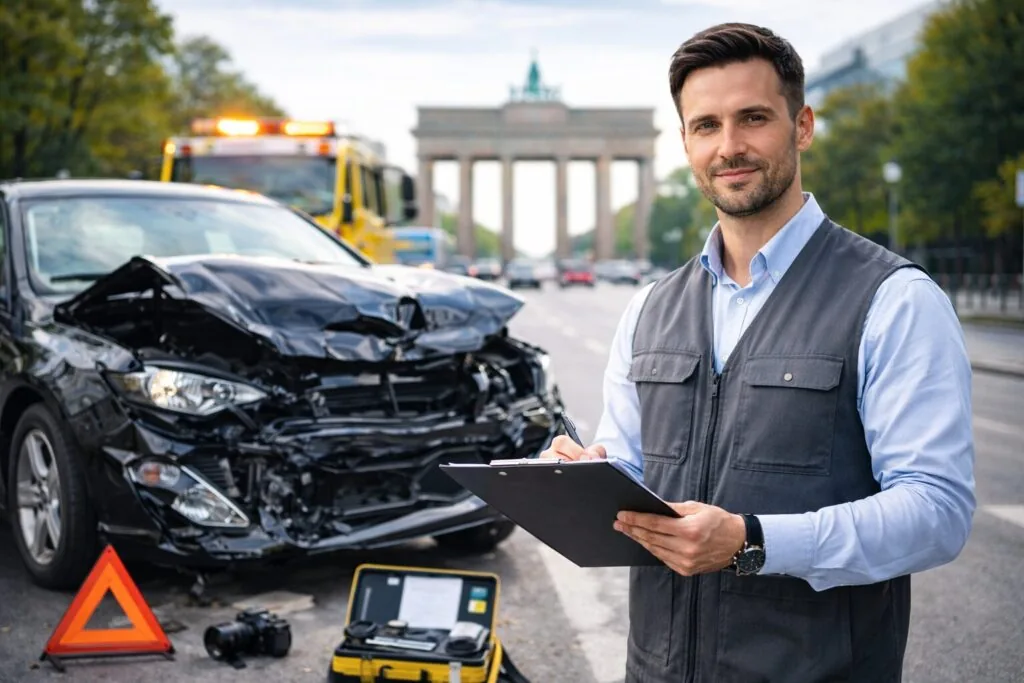
What are the benefits of a complete record of findings at handover?
A precise record of findings protects both sides: it prevents misunderstandings when returning a vehicle to a leasing company, justifies necessary rectification work when selling and documents the condition for later complaints. In Schöneberg it is particularly helpful if the documentation is structured – with position photos, serial numbers, measurements and a clear description of the condition. As a car appraiser in Berlin Wilmersdorf, we likewise offer a sound economic and technical assessment. Bring your vehicle documents, repair receipts, MOT (TÜV) reports and any existing handover protocols. Note on site who is present, the date, time and weather, because moisture or poor light affect visual assessments. Photos should be taken from several perspectives: a wide view for orientation, detail shots of scratches and dents, close-ups with a scale or reference object. For electronic faults, fault memory printouts or diagnostic scans are important; for body damage, paint thickness measurements and panel gap records can help distinguish signs of wear from new damage. The aim is a comprehensible, time-stamped collection that you can refer to in discussions with workshops, appraisers or leasing companies without leaving room for interpretation.
Practical evidence for your handover process
Our work focuses on creating documentable facts that can be used in discussions and comparisons. You do not receive blanket verdicts but descriptive findings that you can present in Schöneberg and beyond.
Photo documentation with context
We accompany you or provide guidance for systematic photography: wide overviews to place the vehicle, medium shots to capture the position and macro shots for scratches, stone chips and paint damage. Markings, scales or reference lines are important so that the size and location of the damage can be clearly understood later. Every photo is given the date, time and a short caption so that, if necessary, it is clear whether the damage is fresh or a defect that was already known. This structured collection can be used immediately as sound damage documentation for claim settlement in handovers, negotiations or damage reports.
Review of existing documents
We check the relevance and completeness of your documents: service book, workshop invoices, inspection reports and earlier handover protocols. Repairs on the right and left side, invoice dates and proof of original parts help to identify or rule out previous damage. Targeted questions can often close gaps in the documentation: when was the last wheel alignment carried out? Has the vehicle been repainted? Facts like these support an objective assessment of the current condition.
Measurements and condition description
In addition to photos, we record measurable values: paint thickness, panel gaps, tyre tread depth and fault memory readings where available. These figures reduce the room for interpretation and help to distinguish signs of use from damage-related changes. The written description of findings follows a uniform scheme: location, extent, possible cause and immediate consequences for operational safety and roadworthiness. This creates a useful basis for discussions with leasing companies, buyers or workshops.
Short report for a quick handover
For situations with little time, we prepare a compact handover report with the key points: defects identified, priority according to safety, recommended preservation of evidence and a note on missing documents. This short report is intended to be used immediately during the handover – as a clear written basis that can be supplemented in detail later.
Why precise documents defuse later conflicts
Good documentation prevents subsequent claims and misinterpretations. In Schöneberg, many vehicle owners value being able to refer to clearly evidenced findings during handovers or complaints. If photos, measurements and receipts are available systematically, this reduces the likelihood that a damage case will be reinterpreted later. What matters is that the data is recorded in a way that allows third parties (workshops, appraisers, leasing companies) to draw the same conclusions: clear position details, comprehensible measurements and existing proof of repairs make statements reliable. Objective documentation also makes communication easier: you can name defects factually, set priorities and make concrete proposals for how to proceed. This saves negotiation time and reduces the risk of wrong decisions or unnecessary costs for rectification work.
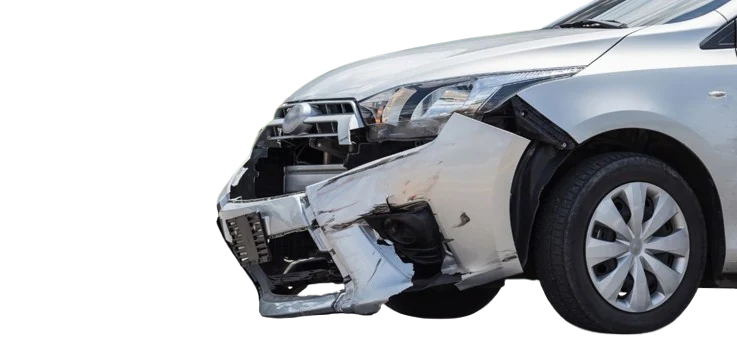
Safer communication with third parties
A structured collection of findings enables you to evidence defects comprehensibly to leasing companies, buyers or workshops.
Faster decision-making
With clear photos, measurements and receipts, you can see more quickly whether a repair is necessary, whether a counterclaim appears justified or whether it is a matter of normal signs of use.
Objective preparation for discussions
Although we do not provide legal advice, reliable documentation makes discussions with legal or insurance contacts easier.
A transparent basis for cost estimates
An objective description of the condition and measurements allow workshops to make more realistic cost estimates.
When is an on-site inspection particularly useful?
An inspection is worthwhile when the condition of the vehicle at handover could be disputed or when repairs are due whose scope is unclear. In Schöneberg, cases such as lease returns, purchase offers with reservations or uncertainties after workshop invoices occur. Before a return, the record of findings helps to separate signs of use from damage-related defects. Before a sale, objective documentation, often in the form of a detailed vehicle valuation, protects you against later complaints. If there are electronic faults, fault memory printouts should be available; for body damage, photos with a scale and, if possible, earlier condition documents are helpful. Even for time-critical handovers, we prepare short, reliable reports that you can present immediately. The aim is always that decisions can be made on a comprehensible factual basis.
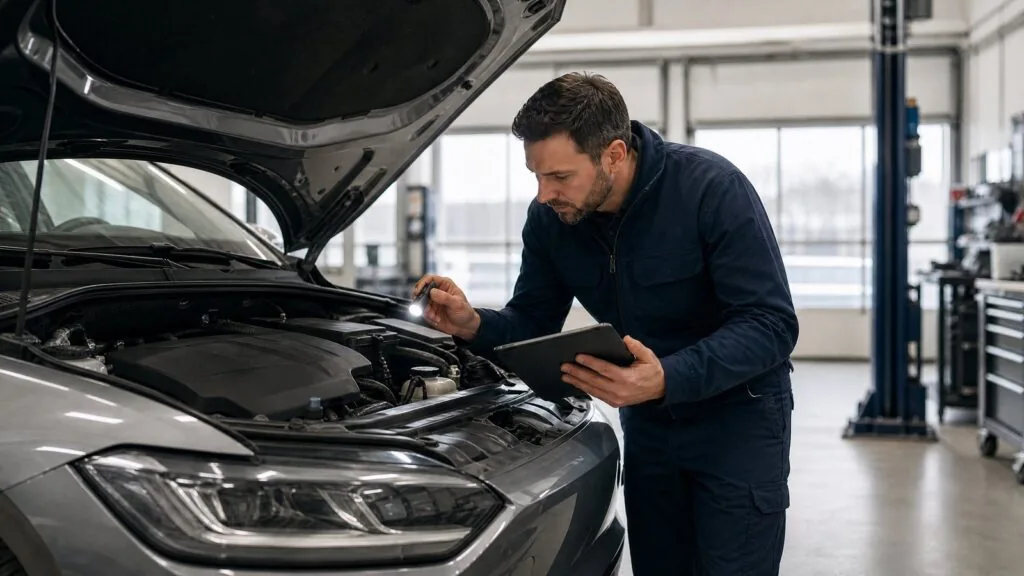
Objective language instead of subjective judgement
We word findings neutrally and comprehensibly: description of the location, details of the extent and possible effects are the focus. This makes it easier for third parties to understand and reduces emotional debates during handovers or negotiations.
Photos and measurements with traceable references
Every photo is given a caption and, where possible, a scale. Measurements complement the visual evidence so that damage can be quantified. This combination makes findings reliable and comparable.
Reasons for objective handover documentation: how we present your situation in a solution-oriented way
Prioritisation by operational safety
Not every defect requires immediate repair. We point out which findings affect road safety and which are primarily cosmetic. This helps you use your resources in a targeted way.
Practical tips for further communication
You also receive suggested wording for handover protocols and tips on which documents are useful when claiming repair costs. This way you are better prepared for follow-up discussions.
How your car appraiser in Berlin Schöneberg documents the handover
The process is flexible and depends on your situation: whether a quick handover, a detailed on-site check or a follow-up discussion with workshop receipts. The focus is on the systematic collection of facts that can be used reliably later.
Preparation and document check
You receive a list of the most useful documents and photos that you should ideally have ready before the appointment. These include service receipts, invoices, inspection reports and any previous protocols. The more complete the starting point, the fewer follow-up questions are needed afterwards.
Visual recording with scaled references
On site, photos are taken systematically: wide-angle shots for orientation, medium shots to determine the position and close-ups with a scale. Every image file is labelled with the time and content so that later comparisons are clearly possible.
Measurement and technical recording
Relevant measurements such as paint thickness, tyre tread depth, panel gaps and, if accessible, fault memory information are recorded. These technical data reduce the room for interpretation and serve as a benchmark for workshop quotes.
Compilation of the findings report
Finally, you receive a structured report with photos, measurements, a clear description of the condition and an assessment of urgency. Optionally, we draft short text suggestions for handover protocols or letters to leasing companies.
FAQ – Frequently Asked Questions
Answers to typical uncertainties: which documents are useful, how photos should be taken and how to clearly separate previous damage.
Which documents should you bring to the handover so that the findings are complete?
Bring all available maintenance and repair invoices, the service book, current inspection reports (e.g. TÜV/emissions test) and earlier handover or return protocols. Documents on replaced parts or paintwork carried out are also important because they can explain why certain areas look different. If available, have digital scans of invoices ready; they make it easier to cross-check data. If documents are missing, we note this in the report so that it is clear later which information could not be checked.
How do I photograph damage so that it remains plausible to third parties?
Photograph each instance of damage from several distances: one shot to place the damage on the vehicle, a medium shot to determine its position and a close-up with a scale or a known reference object. Make sure the light is even, avoid backlighting and document when the pictures were taken with a date stamp or an additional note. Label the files briefly with the position (e.g. ‘rear bumper, top right’) and add context in the report, for example whether a scratch reaches down to the base material.
How do you distinguish previous damage from new damage?
The distinction is made through a combination of steps: comparison with earlier repair receipts, analysis of paint thickness and overlaps, comparison of position with earlier photos and assessment of the fracture or abrasion edge. Fresh damage often shows sharper edges, unweathered interfaces or contrast lines in fresh paint. Where things are unclear, we document the indications and explicitly point out uncertainties so that no definitive claim is made without evidence.
What role do fault memory and electrical diagnostic data play?
Electronic diagnostics often provide clear indications of defective components or recurring faults. If an OBD readout is possible, it should be saved before the appointment. The fault memory can provide information about faults recurring over time whose visibility on the vehicle alone is difficult to assess. We document the codes read out and classify them, but do not make any repair recommendation; the result serves as a technical piece of evidence.
How do you deal with signs of wear that are typical of older vehicles?
Wear is considered in a differentiated way: we assess whether the condition corresponds to the age and mileage or whether there are anomalies that go beyond normal signs of use. Criteria include the degree of wear in relation to mileage, even versus localised wear and safety-relevant consequences. We document this assessment with examples and, where possible, compare it with typical limit values for wear parts.
Which information helps in assessing body damage?
Earlier photos, invoices for bodywork, paint thickness measurements and details of the parts used (original or replacement) are helpful. We note the exact position of the damage, measure panel gaps and document whether deformations extend across adjacent components. Without this information, a conclusive attribution of the cause can be difficult; the report therefore states clearly which findings are confirmed and where further investigations would be useful.
How should the handover be recorded if there is no time for a detailed report?
For time-critical situations, we prepare a compact handover note with the key points: date, time, parties involved, a brief description of the condition and photos of the most important damage. This short report contains notes on missing documents and a recommendation as to which additions will be necessary later. It is structured so that it can be signed immediately and used as the basis for further steps.
Next step: reliable documents for a clear handover
If you are preparing a return, a sale or a formal notice of defects, we help you create a comprehensible basis. In Schöneberg we do not make hasty judgements but provide structured facts: photos with context, relevant measurements and a clear description of findings that will help you in negotiations or when comparing quotes. Call us or send a message to briefly discuss which documents you already have and which additional photos would be useful. This way you avoid later uncertainties and can handle handovers objectively and with a clear goal. We also prepare car reports in Friedenau, next to Schöneberg.