Car Appraiser Berlin Lichtenberg: Systematic Recording of Findings for Private and Company Vehicles
Methodical, neutral, documentation-focused
A structured inspection is not only about what is visible, but about traceable documentation. In Lichtenberg we record the vehicle’s condition, damage patterns and supplementary data step by step, so that you later have clear statements on the cause, extent and state of preservation. Besides the external damage survey, the vehicle documents, previous invoices, MOT (TÜV) reports and, where applicable, proof of use are also relevant. Photographs are taken systematically as position and detail shots; in addition, we note measured values, serial numbers and recognisable assembly marks. For vehicles used for business purposes, we take into account mileage, service intervals, logbooks and the effects of loads. For private vehicles, previous repair records and insurance-related notifications are important in addition to the registration certificate and service book. This approach reduces room for interpretation, because every finding is backed up with date, time and context. You receive structured documentation that supports further decisions such as repair, valuation or an assessment of usability. Lichtenberg is shaped by big arterial roads such as Frankfurter Allee and Landsberger Allee, where rear-end collisions in rush-hour traffic are common. As a car appraiser in Berlin Lichtenberg, we record such damage promptly. The home page offers more information about us as a car appraiser for Berlin & Brandenburg.
District
Orderly documentation as the basis for reliable assessments
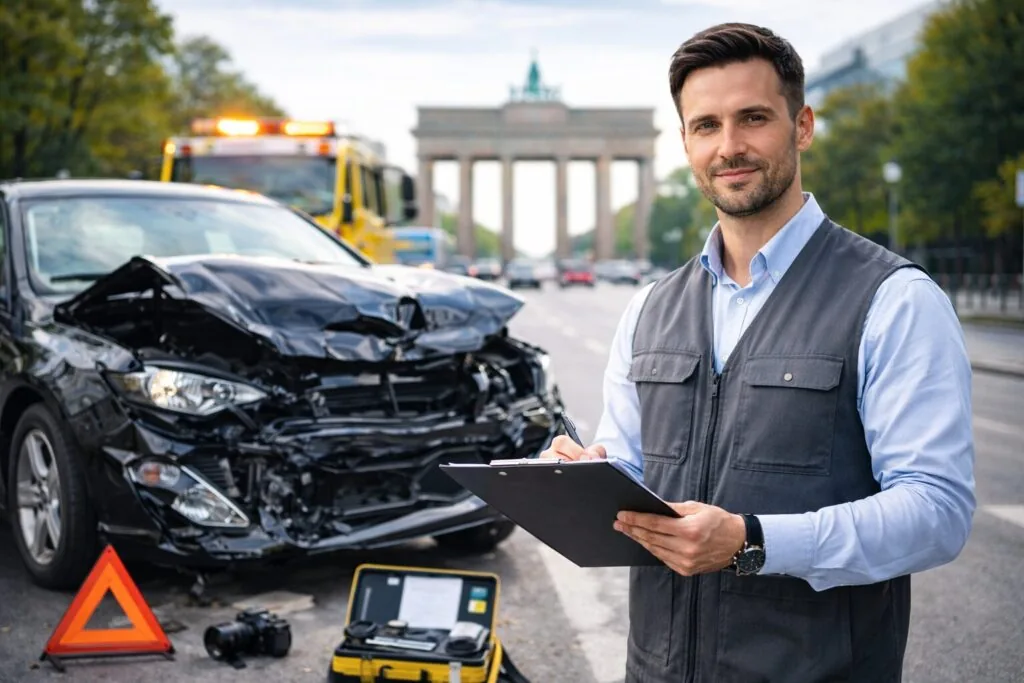
A reliable inspection follows a clear sequence: visual inspection, photographic recording, document check and, where necessary, a measurement-based examination. In Lichtenberg we start with a systematic survey of the bodywork, chassis parts, lights and interior equipment; this is followed by detailed shots of cracks, deformations and areas of corrosion. At the same time, we check the registration certificate, vehicle history and previous invoices for indications of previous damage or improper repairs. If required, measuring points on load-bearing components are documented, panel gaps are noted and the condition of polish or paintwork is assessed. For commercially used vehicles, recording the mileage, usage profile and load condition is crucial in order to separate the effects of use from the current damage. The photo documentation includes overview shots for the overall impression as well as macro shots of material and surface defects. Each observation is given a brief classification as to whether it is visible fresh damage, older signs of wear or technically relevant defects. At the end of the initial survey you receive a clear list of the points still to be clarified, for example additional measurements or exchange of documents, so that the subsequent damage report can be carried out in a targeted manner.
Which findings we record separately
Types of findings differ according to origin and use. We separate visible damage, functional failures, documentation gaps and signs of use, and describe which documents are required in each case. Below are three typical focus areas with practical tips.
Private vehicles: condition, history, photo archive
For private vehicles, the focus is on documentable changes compared with the expected condition from normal use. We record visible damage for securing evidence, paint surfaces, glass and interior damage as well as recognisable previous damage. Please have your registration certificate, service book, previous garage invoices and, if available, accident reports ready. Photos should include overviews of the sides of the vehicle, detailed shots of damaged areas and interior shots showing signs of damage. Information about recent repairs or improper interventions helps with the chronological classification. We note the mileage, actual usage and storage conditions, because this information affects the valuation and the repair effort.
Company vehicles: usage profile and supporting documents
For commercially used vehicles, it is important to prove the type of use and the maintenance status. Please provide logbooks, maintenance contracts, inspection reports and, where applicable, billing documents. We document the supporting structure, loading areas, fastenings, wear points on drive and brake systems as well as traces of recurring stress. Mileage records and planned usage intervals are recorded in order to distinguish between operational wear and changes caused by damage. Precise documentation reduces later queries from insurers or fleet management and makes technical conclusions more robust.
Damage documentation and distinguishing technical causes
For more complex damage, we carry out specified recordings and simple measurements to narrow down causal relationships. These include panel gaps on body parts, camber and toe differences as well as checks on mounting points. We note material fractures and straightening marks on weld seams, and check whether components have been replaced or reworked. In addition, relevant serial numbers and manufacturing details are recorded. The aim is to separate visible damage from possible technical defects, so that the subsequent valuation or repair planning is based on a reliable set of data.
Additional note on photo documentation
Photograph the vehicle identification number, the odometer reading and all relevant damage from several angles. Overview pictures with reference points (e.g. number plate, distinctive components) allow a traceable assignment later on. Date and time stamps in the images are helpful if such metadata is available. This makes it easier to clarify the case, especially when several parties are involved in handling the claim.
Why consistent documentation helps
A complete and systematic recording of findings creates the basis for objective assessments. In Lichtenberg it reduces room for interpretation, because every finding is put into context: time, condition on site, available documents and photographic evidence. This makes it possible to distinguish signs of ageing from fresh damage and to properly separate previous damage from new damage. In addition, the structured documentation serves as a reference for later comparative measurements or follow-up inspections. For insurance partners and for decisions about repair or taking the vehicle off the road, a reliable data basis is often decisive. Without orderly recording, uncertainties remain that take time to rework and needlessly complicate questions of costs and liability.
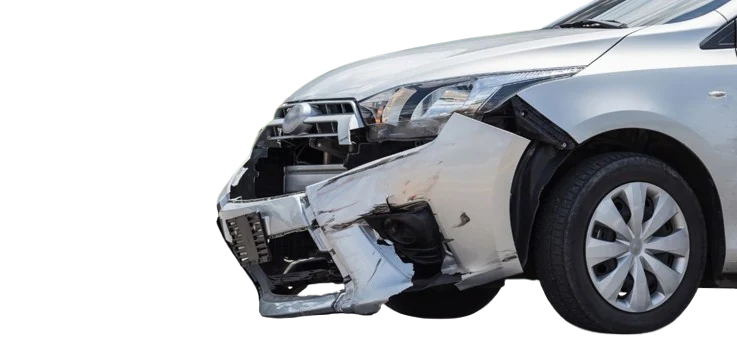
Clear separation of old and new damage
Precise data recording and photo documentation make it easier to tell earlier repairs and fresh damage apart.
A reliable basis for repair decisions
A methodical recording of findings leads to concrete statements about replacement needs, the scope of repairs and necessary checks.
Traceability in disputes about usage
If the extent of use or the usage profile is disputed, complete documentation provides verifiable points of reference.
Clear photo and measurement references
Systematically taken photos and documented measured values allow comparisons across different points in time.
When and why to have findings recorded
Request a systematic survey if there is uncertainty about the cause, extent or older previous damage, or if valuations for insurers, a sale or recourse questions are involved. In Lichtenberg, prompt documentation makes sense after an accident, after conspicuous inspection results or before major garage work. A survey is also recommended before selling, in order to catalogue actual defects and signs of use precisely. For commercially used vehicles, a regular, documented check before periods of heavy use helps to distinguish the consequences of stress from sudden damage. The earlier you arrange the survey, the less evidence is lost through weather, repair attempts or further journeys.
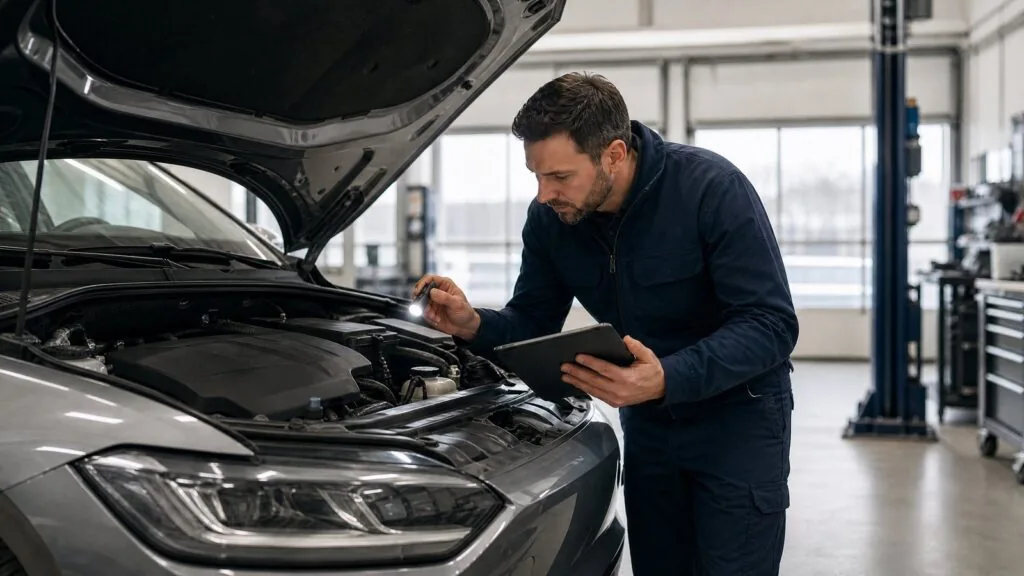
Structured recording
We work in a fixed order: overview, detail, document check, measurement. This sequence avoids gaps in the findings and makes all results easier to follow.
Contextual classification
Every finding includes a brief classification: possible cause, estimated age and relevance for safe use. This makes technical statements clearer and more practical.
What sets our methodology apart: principles of our inspection work
Precise documentation
Photos are taken with location details and reference points; measured values and serial numbers are noted. This creates reliable references for later comparisons.
Independent inspection notes
Our records only describe condition and technical observations, without making judicial or legal assessments. They form the neutral basis for decision-making processes.
How your car appraiser in Berlin Lichtenberg records the findings
The inspection follows clearly defined steps that are documented transparently. Below we describe each phase briefly and clearly.
Clarifying the assignment and checking documents
At the start we clarify the purpose and scope of the inspection and list the documents required: registration certificate, service history, previous invoices and any damage reports. This basis prevents delays and defines the scope of the examination.
Visual and photographic recording
We take overview and detailed shots of all relevant components, document odometer readings and serial numbers and add a short description to each image. Damage locations, panel gaps and visible deformations are recorded systematically.
Technical spot checks and measured values
At relevant points we carry out simple measurements, note panel gaps, suspension travel or brake condition and check visible fastenings. These measured values serve as objective reference values for further assessments.
Documentation of usage data
For company vehicles, we record the mileage history, usage profile and service intervals. For private vehicles, information on storage, foreseeable use and previous repairs is documented.
FAQ – Frequently Asked Questions
The following questions cover the choice of documents, recording practice, photos, previous damage, repair status, valuation steps, safe use, submission of results, preparation and technical classification. Each answer explains specific expectations and procedures.
Which documents should I bring to the appointment if it is a private vehicle?
Bring the registration certificate, the service book or invoices for maintenance work, invoices for previous repairs and, if available, earlier damage reports or appraisals. These documents make it possible to classify repairs that have already been carried out and help to distinguish previous damage from current damage. If there is no proof, we note relevant verbal statements and mark them as unsupported information in the documentation, so that they can be checked later.
Which additional evidence is important for a company vehicle?
For commercially used vehicles, logbooks, maintenance contracts, inspection reports and usage records are particularly informative. Mileage readings over time, billing documents and load records give indications of stress profiles. This data helps to separate operational wear from changes caused by damage, and is important when business use affects the valuation.
How should photos be taken for the recording of findings?
Take overview shots of each side of the vehicle as well as detailed shots of the damaged areas. Document the odometer reading, the vehicle identification number and specific features such as mounting points or serial numbers. If possible, use time stamps in the metadata or note the date and time separately. High-contrast, sufficiently sharp images from several angles make later assignment easier and reduce room for interpretation.
Why does previous damage have to be checked separately when recording findings on private and company vehicles in Lichtenberg?
Recognisable previous damage is documented separately and, where possible, dated. We note features that indicate earlier repairs, such as paint differences, rivet points, welding marks or repainted areas. If there is no proof, the facts are recorded transparently as an observation without legal assessment, so that later checks or queries can be carried out in a targeted manner.
What role does the repair status play in the valuation?
The current repair status affects effort estimates and restoration work. We record which components have already been repaired or provisionally fixed, and document visible consequences such as tension, reduced tolerances or improper assembly. This results in a realistic assessment of the remaining effort and the necessary additional checks.
How is a meaningful valuation derived from the findings?
From the observations gathered, photographic evidence, measured values and available documents, we compile a structured summary of the technical findings. This forms the basis for market-based or cost-based valuations, taking into account usage, previous damage and repair status. The documentation names the assumptions and uncertainties, so that the basis of the valuation remains traceable.
How do I receive the result of the inspection, and in what format?
You receive a written summary with photographic documentation and a clear presentation of the open points. The result contains a list of the points checked, measurement results and a description of the defects found with photo references. On request, we provide the documents digitally as a PDF; additional printouts can be agreed separately.
Organised recording of findings in your district
If you need a methodical and traceable recording of findings in Lichtenberg, prepare the relevant documents and choose a time when the vehicle is accessible. We are also there for you in the neighbouring districts of Friedrichshain and Hohenschönhausen. We record condition, photographic evidence, measured values and documents in a structured way and provide a clear overview of results including open points. This leaves you better prepared for decisions on repair, sale or further technical examinations. Contact us to agree on the scope and clarify which evidence is needed; we explain in advance which documents will fully present your situation. We also prepare vehicle reports in Lichtenberg’s neighbourhoods of Friedrichsfelde, Karlshorst and Rummelsburg.