
Car Appraiser Berlin Neukölln – Quick Guidance After Damage
Practical help for vehicle owners in the district
After an accident, you often feel overwhelmed: what is important, which documents do I need and what happens next? This page offers easy-to-understand initial guidance for road users in Neukölln. You will find out which observations are immediately useful, which photos provide meaningful documentation and which papers you should have ready so that a report is accurate. We explain without technical jargon when a damage report is advisable and which options exist for obvious and hidden damage. If you are faced with the decision of whether to commission an external car appraiser in Neukölln or to inform the workshop and insurer first, you will find clear criteria for weighing this up here. The aim is that after reading you know which first steps make sense in concrete terms and how to document damage so that later assessments are reliable. Between Sonnenallee, Karl-Marx-Straße and Hermannstraße, traffic in Neukölln is heavy and people often park in narrow side streets. As a car appraiser in Berlin Neukölln, we also come to the neighbourhood at short notice. Our home page explains how we work as a car appraiser for Berlin & Brandenburg.
For vehicle owners in Neukölln
What matters in practice now
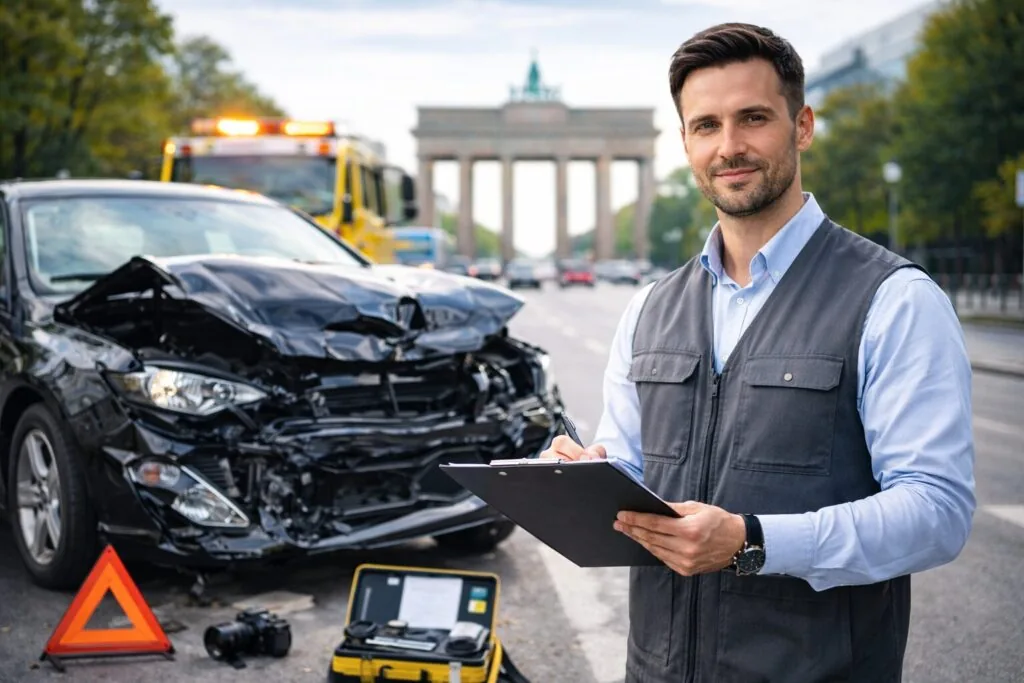
First of all: stay calm and ensure safety. After that, it is about securing evidence and weighing up repair options. In Neukölln, as elsewhere, photos from several perspectives are crucial: wide shots of the scene, close-ups of the damage, detailed photos of number plates, tyres, headlights and traces in the interior. Note the time, place and parties involved as well as distinctive features on the vehicle. Have your vehicle registration certificate ready and, if possible, pictures of the previous condition or proof of maintenance. Check for visible previous damage and describe whether it was already present before the incident. If possible, sketch the positions of the vehicles and collect the contact details of witnesses. All of this helps an appraiser to separate damage correctly: distinguishing immediately recognisable fractures from old defects not related to the accident is often the crux of the assessment. This way you avoid misunderstandings in later reports and can make clearer decisions when questions of recourse or repair arise.
Specific support services
You have various options, depending on how urgent and complex the damage case is. The following descriptions explain which form of support is practical in which situation.
Initial visual assessment on site
Directly at the scene of the damage, we sort visible defects, document them systematically and discuss the immediately relevant steps with you. In Neukölln, we take photos from defined angles, note traces and check whether safety-relevant parts are affected. This initial assessment serves to identify immediate hazards and draw up a list of priorities for repair or collection. You receive a clear assessment of which documents are still missing for a complete report and whether short-term measures such as securing loose parts are necessary. The result is not a final valuation, but a reliable basis for the next decisions.
Comprehensive damage report
If a reliable determination of the cause of damage or an exact cost estimate is needed, we prepare a full report. This includes technical findings, photo documentation, measurements and a comprehensible list of damage. Repair quotes or parts lists from the workshop, if available, as well as information on mileage and earlier damage are also important. In Neukölln, we take into account typical traffic situations and possible third-party involvement, without providing legally binding assessments. The report shows clearly which items are necessary for the repair and how previous damage can affect the valuation. This work serves as a basis for insurers, repair shops and your decision as to whether a repair is economically viable.
Technical inspection before the repair is completed
Before a workshop invoice is finally accepted, we check the technical execution and whether all agreed work has been fully documented. We compare the condition found with the original findings and check whether visible repairs have been carried out properly. Important for you in Neukölln: this way you avoid discovering outstanding defects or items not charged for after the repair has been completed. We explain which supplementary documents are useful – for example parts receipts or test reports – and ensure that the invoice matches the extent of the damage. This check increases transparency towards the workshop and those bearing the costs.
Digital photo analysis and preservation of evidence
If you have already taken photos, we evaluate them systematically and check whether the image sections, perspectives and metadata are sufficient for a comprehensible damage assessment. We explain which additional shots would be needed to make up for blurring or missing detail. For reconstructions in Neukölln, the chronological order of the images plays a role, as does the question of whether lighting conditions or traffic signals influence the interpretation. You then receive a structured list of additional photo positions and a priority assessment of which evidence should be secured immediately.
Why sound documentation helps
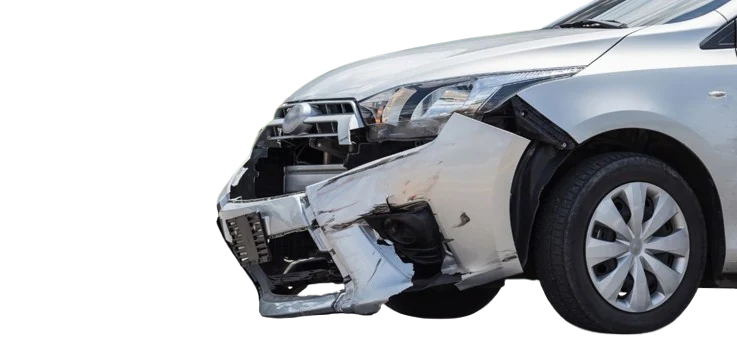
Careful documentation prevents later uncertainties and saves time when clarifying liability and costs. In Neukölln, where densely built-up streets and parking situations often shape the picture, it is important to show accident traces in context: road conditions, distance to obstacles and lines of sight can influence the assessment. Well-documented photo series, detailed descriptions and comprehensible time details considerably increase the significance of a report. In addition, a clear separation between old defects and the consequences of the accident makes negotiations with insurers or workshops easier. The more thorough the preservation of evidence, the lower the risk of later discussions about the extent or origin of the damage. We are also available to you in neighbouring areas such as Kreuzberg or Buckow.
A faster basis for decisions
You receive a clear prioritisation of the necessary next steps so that no unnecessary costs or time are lost.
Better document quality
Targeted photo positions and structured descriptions minimise later doubts about the findings.
Technical transparency
You receive understandable explanations of technical findings so that you can put expert statements into context and know which repairs are actually necessary.
More precise cost estimates
Sound findings and parts lists lead to more realistic cost estimates and help you make well-founded economic decisions.
When a report is particularly useful
A report is advisable if the cause of the damage is unclear, repair costs seem unexpectedly high or the parties involved give contradictory information. In Neukölln, there is also often the situation that car park damage or scrapes are ambiguous due to narrow traffic routing. A report also creates clarity in the case of technical damage to safety-relevant components or if previous damage could influence the assessment. If insurers reject claims or workshop quotes vary greatly, the report serves as a neutral basis for comparison. What matters is not only the result, but that the documentation is prepared in such a way that it remains comprehensible later – that is, with dates, locations, photos and a precise description of the findings.
Neutrality in the assessment
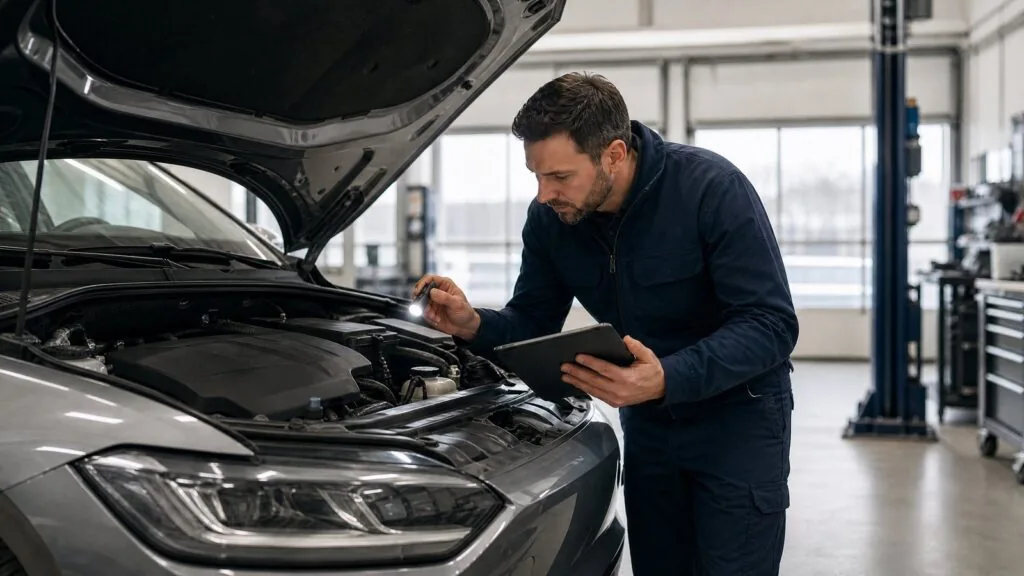
An external view separates emotional reactions from the technical facts. This creates confidence in the results and ensures that decisions are based on explainable facts.
Understanding instead of uncertainty
We explain technical findings in clear language so that you can judge whether a repair is necessary or whether other options are possible.
Why an independent inspection can make sense
Traceable documentation
Every result is prepared so that third parties – workshops or those bearing the costs – can follow the steps. This increases the usability of the report.
Minimising risk in follow-up questions
A precise separation between old and new damage reduces later liability disputes and simplifies claim settlements.
How your car appraiser in Berlin Neukölln supports you
The process is clearly structured so that you always know the next step. We adapt the timing to your schedule.
Initial contact and data collection
You briefly describe the incident by telephone or e-mail and send any photos and documents you have. Important are the times of reporting, the vehicle registration certificate, accident sketches and first pictures of the damage.
On-site or remote inspection
Depending on requirements, we come to you or evaluate your photos digitally. On site, additional photos are taken, traces are secured and initial measurements are carried out.
Preparation of the findings
We prepare a structured report with photo documentation, technical explanations and a clear position on necessary repairs and estimated costs.
Discussion of results and handover of documents
You receive the report and an easy-to-understand summary. We explain open points, possible next steps and which documents you need to pass on to third parties.
FAQ – Frequently Asked Questions
The following answers help you prepare for a report. Each question covers a different aspect of preserving evidence, documentation and assessment.
Which papers should I get ready straight away?
Collect the vehicle registration certificate or registration documents, the current HU (MOT) certificate, existing repair invoices and service documents. If you have photos of the previous condition, include these as well. Additional documents such as the registration certificate Part II or purchase receipts are helpful if valuations become necessary. The more complete the documents, the more precisely it is possible to distinguish what was caused by the current damage and what already existed. Also note easily accessible contact details of all parties involved and witnesses – this supplements the written evidence.
Which photos are necessary for meaningful documentation?
Take overall shots from several distances, detailed shots of the damage, photos of traces in the interior and of chassis numbers, if visible. Also document features of the surroundings such as the course of the road, road markings or kerbs. Make sure you take photos with clear perspectives and do not change metadata such as the date and time. Different lighting conditions can also provide additional information, for example for paint damage or the course of cracks.
How do I correctly declare previous damage?
Describe visible existing damage and, if possible, document when it occurred. Compare existing photos from before the incident and note known repairs. An appraiser can then more easily distinguish which areas are new and which are not. Open and complete information is important: concealment impairs traceability and can complicate later discussions.
When is a photo-based remote assessment sufficient?
If the damage is predominantly superficial and all relevant perspectives, detailed shots and documents are available, a reliable initial assessment can often be carried out remotely. It becomes more difficult with hidden components or when deformations have to be assessed. An on-site inspection is then useful because it allows measurements and reveals hidden defects that would not be reliably recognisable from photos alone.
How is it assessed whether a repair is worthwhile?
The assessment depends on whether a repair restores technical safety and whether the costs are proportionate to the value of the vehicle. A report distinguishes between safety-relevant defects that must be rectified immediately and cosmetic damage. The assessment also includes the availability of spare parts and, if applicable, diminished value. We explain transparently which criteria we apply and which information we need from you or the workshop.
What role do technical measurement data play in the report?
Measurement data such as panel gaps, frame measurements or material tests considerably increase the accuracy of an assessment. They are particularly important for structural or frame damage, as visible deformations are often difficult to interpret. Technical measurements provide objective parameters that form a better basis for cost estimates and safety assessments. If measurements are necessary, we point this out in advance and explain which procedures are used.
How is the result of the report handed over?
You receive a written findings report with photographic evidence, technical explanations and a clear cost overview. We also offer a verbal explanation in which open questions can be clarified. All relevant documents are prepared so that you can pass them on directly to the workshop, insurer or other bodies. We point out which additional information should be attached if necessary.
The next sensible step
If you have had damage in Neukölln, structured initial documentation is crucial. So collect the most important documents and photos, note the parties involved and send us the available pictures in advance. This allows us to check beforehand whether a quick check is sufficient or a full inspection makes sense. Together we determine the right path for you – transparently, understandably and without unnecessary technical terms. On this basis, you can make more confident decisions with the workshop and insurer. Whether you need a car appraiser in Neukölln or a vehicle report after an accident in Britz or Rudow: we come to you. Right next door we also work as car appraiser in Treptow.