
Car Appraiser Berlin Dahlem: Careful Condition Records and Clear Findings
Differentiated vehicle assessment with a focus on traceable baseline data
With complex questions, recording the exact condition of a vehicle is crucial. In Dahlem it often comes down to clearly documenting the difference between age-related wear and damage-related changes. A careful condition report covers visible damage, hidden deformation, repainted areas, measured values such as paint thickness and complete photo documentation from defined angles. Vehicle documents, maintenance records and earlier reports are also important because they provide reference values. In practice, we also take note of information about the vehicle’s history and check technical components for proper function. The aim is an objective, traceable basis that you can use for internal decisions, discussions with garages or communication with third parties. We do not draw legal conclusions; we provide the verifiable condition record and possible technical classifications. In Dahlem, between streets of villas and the Freie Universität campus, we often inspect high-quality and older vehicles where a precise record of their condition really matters. As a car appraiser in Berlin Dahlem, we take the time this needs. All of AYTI’s services as a car appraiser for Berlin & Brandenburg are brought together on our home page.
District

Why a precise condition record makes sense
If the initial condition of a vehicle is not clearly recorded, uncertainties often arise later regarding liability, the scope of repairs or valuations. Especially in Dahlem, where vehicles of different ages and with different usage histories are on the road, a detailed record creates a reliable basis. This includes complete photos from all sides, close-ups of damage, documentation of the vehicle identification number and mileage, and a review of existing invoices, MOT (HU) reports and service books. For buyers and sellers, a structured condition record provides guidance on genuine wear; for garages, a basis for preparing quotes; and for experts, a foundation for technical assessment. Make sure to present original documents or clearly legible copies and to mention anything unusual such as strange noises, smells or functional limitations. We describe, measure and photograph objectively; technical assessments can be derived from this, but not legal advice.
Precise core tasks of the assessment
The inspection is divided into several coordinated tasks which together create the complete picture.
Damage assessment with measurement log
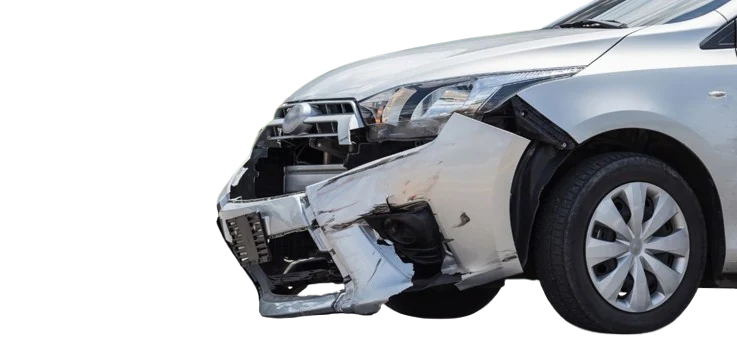
During the damage assessment, visible deformation, cracks, paint damage and panel gaps are systematically recorded. In addition, we carry out paint thickness measurements to detect repainting and document the gaps between body parts to identify deformation. Every affected component receives clearly labelled photos with scale and viewing direction. This allows consequential damage and the scope of repair to be assessed reliably. This is particularly relevant if disputes arise later over repair invoices or the assessment of previous damage. The records are arranged chronologically so that all observations can be traced without gaps.
Value and residual value analysis with document comparison
To determine the value, market values are compared and deductions for age-related wear are shown separately from accident-related reductions. Maintenance records, repair invoices, service history and existing reports are included in the assessment. For vehicles with special equipment or historic features, we check whether modifications affect the valuation. A traceable residual value determination takes into account current technical function, visible damage and documented previous conditions in order to provide a realistic basis for selling, buying or settlement with third parties.
Preparation for purchase, sale and return
Before a purchase or a lease return, a condition record that reveals possible points of dispute is advisable: hidden damage, poorly executed repairs or discrepancies between the reported condition and the actual findings. We check the entries in the vehicle registration document, compare standard and modified equipment features and check for missing or non-original parts. Documented defects are supported with photographic evidence and presented in a report so that buyers and sellers alike can make concrete decisions.
Basic technical tests and electronic diagnostics
In addition to the visual inspection, the basic check includes functional tests of the brakes, steering, lighting and safety systems. If required, fault memories are read out in a standardised way, which can point to hidden faults or manipulated components. Findings from electronic diagnostics are compared with mechanical findings in order to better assess technical relationships. The result is a combination of visual findings, functional status and electronic diagnostics as a basis for further work.
Key elements of a reliable condition record
A reliable condition record rests on three pillars: clear photo documentation, traceable measurements and complete documents. In Dahlem it makes sense not only to photograph obvious damage but also to systematically take reference shots of the vehicle’s surroundings, detailed shots of critical components and measurements with a scale. Documents such as the service book, repair invoices, MOT (HU) certificates and, where applicable, previous reports are also important, as they allow comparisons and prove changes over time. Technical measurements such as paint thickness and panel gaps make it possible to distinguish between natural ageing and damage-related repairs. Finally, a structured log creates clarity for everyone involved, because findings, measuring methods and the limits of their significance are documented in a traceable way.
Clarity for negotiations
A precisely documented starting point creates an objective basis for price negotiations or coordination with insurers.
Reliable evidence for garages
A detailed condition record gives garages a concrete basis on which they can develop sensible repair concepts and cost estimates.
Planning certainty when buying and selling
For buyers and sellers, the structured documentation serves as guidance: it shows technical deficiencies, documented care and possible losses in value, thus supporting objective pricing.
Diligence, not speculation
The documentation aims to bring together verifiable facts, not assumptions.
Situations in which a detailed record is advisable
A structured condition record makes sense after an accident, when you are interested in buying, before lease returns or when there is uncertainty about earlier repairs. In Dahlem this can be relevant, for example, for high-value vehicles with an incomplete history or for older vehicles with possible corrosion damage. A professional condition record is also advisable where there are visible discrepancies between the owner’s information and the findings, such as a manipulated odometer or unclear repairs. The earlier the documentation takes place, the better the condition can be recorded; in the case of serious damage, it is advisable not to move the vehicle until an initial inspection has taken place. The record provides a basis for technical decisions and makes later settlement or valuation easier.

Measurable rather than impression-based
Measurements and photos replace subjective impressions with verifiable data. This increases traceability for third parties and makes statements reliable.
Documented history
A complete log creates a chronological sequence of findings that helps to separate cause and effect and to trace later changes.
Sound reasons for systematic recording: why structured findings make the difference
A basis for decisions instead of speculation
With clear findings, options can be weighed up better: repair, sale, deregistration or further inspections are planned on the basis of verifiable facts.
Detecting hidden damage
Targeted technical checks and the reading of electronic data can uncover defects that would be overlooked visually. This reduces unpleasant surprises later on.
How your car appraiser in Berlin Dahlem works on site
The work is carried out in consecutive steps that are documented methodically so that every observation remains traceable.
Preparation and review of documents
Before going to the vehicle, existing papers are reviewed: registration documents, service book, invoices and earlier reports. Note any known incidents and show the mileage and keys. This preliminary information allows a targeted inspection and reduces surprises during the assessment.
Exterior check and measurements
Exterior photos follow a fixed scheme: overall views from four directions, close-ups of edges, panel gaps and damage, and paint thickness measurements at significant points. Each photo is documented with viewing direction and, where appropriate, a scale so that later comparisons are possible.
Interior, technology and diagnostics
In the interior, the condition of the upholstery, safety equipment and visible damage are recorded. Technical checks include inspecting the brakes, steering and lighting and, if necessary, reading out fault codes. Functional limitations are described and, where possible, reproducible tests are recorded.
Final documentation and discussion of results
Finally, all findings are brought together, the photo archive is structured and a report is prepared with clear descriptions and notes on its significance. The results are explained, open points are named and, if necessary, recommendations for further investigations are made.
FAQ – Frequently Asked Questions
Here you will find precise explanations about the choice of documents, photographs and technical questions that regularly come up during a condition assessment.
Why are earlier records helpful for a careful condition assessment in Dahlem?
If possible, bring the registration document, the service book, invoices for relevant repairs, MOT (HU) reports and earlier reports. These documents allow comparisons over time and help to identify repeated issues or missed maintenance. If keys or special operating instructions are available, these should also be kept ready, as they allow statements about standard equipment and modifications. Copies are sufficient as long as all details are legible.
How detailed do photos need to be?
Photos should be systematic: overall shots from all sides, details of damage from different angles and close-ups with a scale or recognisable reference point. Pay attention to consistent lighting and avoid reflections so that contours and colours are reproduced correctly. Additional shots of the vehicle identification number, mileage and interior defects increase the traceability of the findings.
How can you tell whether there is previous damage?
Previous damage often shows up as uneven paint layers, mismatched panel gaps or misaligned components. Invoices or garage stamps in the vehicle’s history also provide important clues. A comparison with documented reference photos or with measurements from earlier reports can provide clarity; ultimately, the combination of documentary evidence and technical measurement is decisive.
What do repair states reveal about further risks?
Incomplete repairs or temporary fixings are risk factors for consequential damage. Loose connecting parts, missing fastenings or improperly executed welds can impair road safety. Such conditions are marked in the report and documented with photos so that priorities for repairs can be set.
How is the technical condition taken into account when determining value?
For the valuation, functional limitations, visible damage and documented maintenance are brought together. Defects in safety-relevant components lead to higher deductions, while proven regular maintenance supports the market price. Special features such as retrofitted equipment or rare components are assessed separately because they can influence the market value.
How can the inspection provide information on continued safe use?
Targeted functional tests and visual checks can identify immediate hazards, e.g. leaks in brake lines, severely restricted steering play or defective lighting. Such defects are described in terms of their possible impact on road safety and, if necessary, identified as risks that should be remedied immediately, so that you can set sensible priorities for repairs.
How are the results handed over to me?
The findings are summarised in a structured report containing all photos, measurements and relevant document references. The report clearly states the points checked, the results and any limitations of its significance. You receive the documents in a form that can be used for further technical or financial steps; additional questions are also explained, provided they do not fall within the scope of legal advice.
Next steps towards careful clarification
If you need a reliable baseline record of your vehicle in Dahlem, systematic preparation helps: collect documents, note your observations and make sure the vehicle can be photographed freely. A structured inspection saves time in subsequent discussions with garages or third parties and reduces the risk of unclear additional claims. Share relevant papers in advance so that the inspection can run efficiently. Our focus is on traceable results and practical advice so that you can make well-founded decisions. We always ensure transparent costs and are also available for you in neighbouring districts such as Zehlendorf and Schmargendorf.